Screen Printing vs. Heat Transfer on T-Shirts
-
 المؤلف
- 26th أكتوبر 2026
Examine a printed T-shirt closely. Run your finger along the outer edge of the graphic. Depending on the ink applied, screen printing might absorb directly into the woven fabric threads. Alternatively, it could produce a distinct texture on the cloth surface. Meanwhile, a heat transfer constantly rests on top as a completely separate layer. This primary distinction alters how a logo appears and feels after washing and wearing it. Furthermore, your overall order volume and the specific artwork style matter just as significantly as the actual printing technique itself.
Put the production details in the same brief
Before you evaluate prices from various vendors, provide each one with the identical details. This information includes the provided artwork, specific shirt type, intended design placement, and total order volume. Screen printing begins by isolating colours and producing a dedicated screen. Every additional colour requires its own unique setup stage. Conversely, a digital transfer is frequently printed as one complete image without requiring individual screens. This technique functions exceptionally well when you possess a limited order or face a strict deadline. Remember that certain offset transfers still demand metal printing plates and initial visual proofs. Therefore, you should constantly inquire which precise method the provided quote encompasses.
Screen printing uses ink and a prepared mesh
A woven mesh screen operates very similarly to a conventional stencil. Fluid ink presses through the exposed areas and settles onto the garment. Print facilities might utilize water-based ink, standard plastisol, or heavy gel ink. They additionally supply specialized inks, elevated textures, or distinct puff effects. Your ultimate selection modifies how the graphic appears and how it feels to the physical touch. Water-based ink typically penetrates deeply into the garment threads. A denser opaque ink, conversely, remains much closer to the upper surface.
Screen printing on t shirts frequently becomes a highly economical alternative when you utilize a minimal number of colours for a massive order. Once the physical screens are prepared, the identical design transfers onto garment after garment. A broad outline graphic utilizes ink highly efficiently compared to a dense solid block transfer. Nevertheless, configuring everything requires significant funds for a highly restricted batch. Additional colours signify you demand extra digital artwork files, numerous screens, and supplementary printing phases. Every additional colour simultaneously increases the overall cost per garment, not merely the initial setup charge. You can achieve seamless colour transitions and authentic photo details in specific situations. Even so, conventional screen configurations infrequently equal the flawless appearance of a premium, full-colour transfer.
Heat transfer applies a prepared design
Heat transfer encompasses a few distinct methods of producing garments. Typically, this category divides into standard hot-melt transfers intended for cotton and sophisticated sublimation transfers. Sublimation permanently locks specialized dye directly into artificial synthetic polyester threads. For a conventional white-ink transfer, the facility prints the visual graphic initially. Subsequently, they apply a specialized adhesive powder and remove the surplus material. The treated sheet is thoroughly dried, and ultimately, a heavy machine presses it firmly onto the garment. This particular procedure renders limited orders and rapid artwork modifications exceedingly straightforward. You do not require a fresh screen for every individual colour. Individuals appreciate this technique for its excellent precise colour matching, durable wash lifespan, and strong resistance to fabric shrinking. Nevertheless, the ultimate outcomes rely significantly on the specific transfer film and the chosen garment you select. Consequently, you must constantly evaluate the precise materials combined together.
Heat transfer t shirt printing serves as an excellent solution for limited batches, urgent rush tasks, and intricate art featuring seamless transitions or personalized custom names. You can modify a standard digital file effortlessly without producing a fresh physical screen for every minor alteration. The primary disadvantage remains physical. The synthetic plastic film rests on the woven fabric surface permanently. Consequently, the completed print might appear somewhat similar to a rigid promotional sticker. Expansive regions of dense solid ink simultaneously obstruct circulating air from passing through the garment. Furthermore, an exceptionally massive transfer can require significantly more funds if the facility calculates charges by the total square inch. Constantly examine the completed print meticulously after applying pressure and washing.
Screen printing and heat transfer at a glance
| طريقة | Advantages | Limitations |
| الطباعة بالشاشة الحريرية | A few colours and broad shapes can be economical across a large run.
Water-based ink may leave a softer, more breathable result than a transfer film;
Its colour paste penetrates the fibres, so colour fastness can outlast a gel-print equivalent. |
Colour separation and screens add cost to a short run. Each extra colour takes another screen and print pass, and also raises the per-piece print cost;
Complex gradients are less consistent. High-stretch fabrics need a high-elasticity ink or the motif may crack;
After each pass the ink must be fully pressed and cured, or loose colour can bleed. |
| Heat transfer | Most digital transfers skip screen setup, helping with short runs and rush jobs.
Fine details, gradients and individual names can be reproduced with strong colour fidelity. |
A film stays on the shirt and can look or feel decal-like.
Solid areas reduce airflow. |
Fabric, colour and finishing can change the result
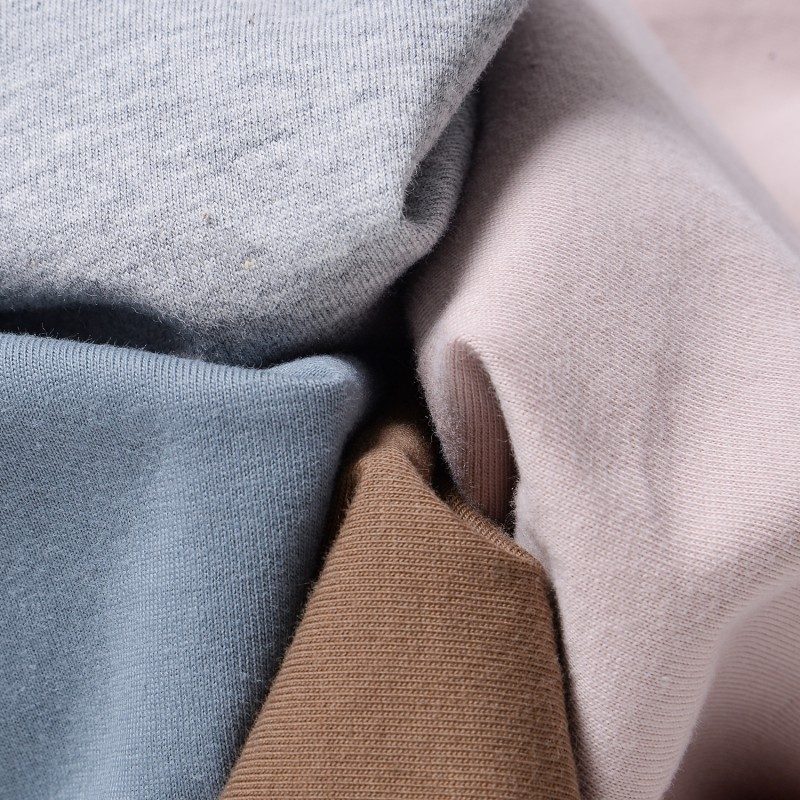
Fluid water-based ink functions optimally on pristine white or pale light shirts. It does not conceal dark backgrounds exceptionally well. However, the damp paste absorbs deeply into the woven threads. This characteristic provides an exceptionally soft texture and excellent vibrant colour life that effortlessly surpasses a comparable thick gel print. A denser gel ink can conceal dark woven fabrics effectively, but it might feel noticeably heavier. When you utilize thick dense gel ink, you must remain vigilant regarding two frequent recurring problems. Highly flexible stretchy fabrics absolutely demand a specialized elastic ink. Without applying it, the printed graphic might fracture and separate. Furthermore, woven fabrics that are synthetically smoothed or feel exceptionally slick demand a specialized chemical wash prior to printing. If you bypass this crucial step, the applied logo might detach completely off. Following each printing phase, the damp ink demands complete heavy heat pressing and thorough drying. Inadequate pressing leaves unsecured loose colour that spreads and destroys the visual design. Sophisticated advanced sublimation transfers remain entirely distinct. They function exceptionally well on pale light polyester, where the specialized dye locks permanently into the woven thread. However, they do not function whatsoever on pure natural cotton. Conventional standard heat transfers additionally demand a robust strong shirt that can endure intense high heat and substantial heavy pressure.
Check the print on the shirt that will ship
A conventional standard digital proof cannot demonstrate precisely how fluid liquid ink or synthetic plastic film behaves on flexible knit fabric. You must request an authentic real sample on the precise specific shirt you desire. Ensure it features the accurate correct size and precise correct colour. If your comprehensive order incorporates distinct different fabrics or varied shirt colours, evaluate every single combination. These specific alterations can influence overall coverage, precise colour accuracy, or exactly how securely the applied print adheres. A rudimentary basic substitute shirt remains consistently an unsafe choice.
For screen printing on t shirts, examine meticulously the minimal small gaps between distinct shapes and any minuscule tiny letters. Utilizing a conventional standard transfer, examine the outer exterior edge of the synthetic plastic film. Ensure delicate thin lines remain flawlessly sharp at the ultimate final size. Tug delicately on the outer edge of a printed physical sample following a conventional normal wash test. Any noticeable lifting or severe bad cracking indicates you should reconsider your chosen materials or specific setup steps.
Specific design placement demands its own dedicated check. Calculate the precise exact distance from the upper top collar, the lateral side seam, or the outer sleeve edge. Evaluate the visual design size on a select few different distinct shirt sizes. A rudimentary simple visual guide prevents incorrect bad guesses when distinct different workers assume control over the active busy production line.
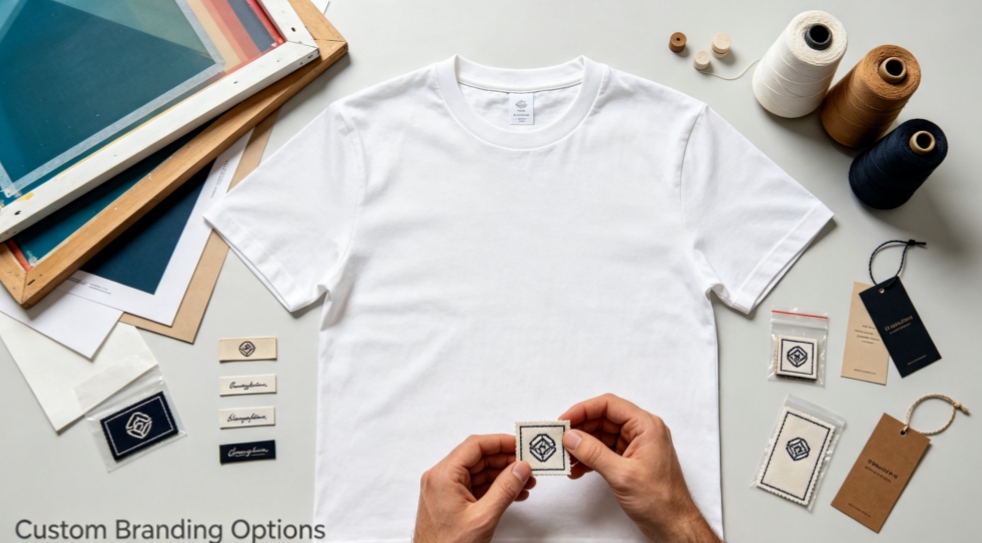
When embroidery is the better choice
Conventional traditional embroidery utilizes a specialized specific digital file and an intelligent smart machine to construct the visual logo out of vibrant coloured thread. Conventional standard flat embroidery remains consistently the premier top pick for crisp sharp letters and rudimentary simple logos. Seamless smooth colour blends do not function effectively well with individual stitches. Furthermore, an expansive large solid area requires an exceptionally very long time to completely stitch. Distinct different thread types alter the outer surface texture. Prominent popular 3D embroidery sews directly over pliable soft foam for an elevated raised look. Conventional classic appliqué sews a distinct separate piece of woven fabric directly onto the specific shirt. Meanwhile, distinct unique towel embroidery produces exceptionally very soft loops that snag easily on jagged sharp things. Unique toothbrush embroidery constructs a taller, vertical straight thread pile for a rigid stiff look. However, loose dirt and stray lint easily become trapped securely inside this dense thick pile, and it remains difficult to properly clean. The vertical straight threads might additionally detach fall out over extended time. An authentic real stitched sample demonstrates clearly if the total stitch count and overall size match your selected chosen shirt.
A sample review should settle the open questions
Evaluate both physical screen and digital transfer physical samples produced from the identical same art on the precise exact same shirt. If you avoid doing not, a minimal small change in woven fabric or specific shirt colour can render a distinct printing method appear significantly much better or noticeably worse than it genuinely really is.
- Can you consistently still read the minuscule tiny letters and distinctly see the minimal small gaps clearly at the ultimate final size?
- Does the applied ink or digital transfer match the officially approved colour flawlessly perfectly on this precise exact shirt?
- Are the exterior outside edges crisp sharp, featuring absolutely no severe bad cracking, noticeable lifting, or unsecured loose film?
- Will this identical same exceptional high quality remain consistently steady across distinct different names, varied sizes, and specific shirt colours?
If any specific answer remains negatively no, you must alter change that particular part of the comprehensive project plan and produce make a fresh new sample. Document write down the precise exact art version, specific shirt type, precise colour shade, exact placement, and ultimate final print method. Retain keep these detailed notes directly right next to the officially approved physical sample.
Write down the method before a repeat order
The specific words “screen print” and “heat transfer” remain exceptionally very broad terms. You must document write down the precise exact ink or specific transfer type within in your primary main file. Incorporate include the precise specific art version, precise exact size, specific shirt fabric, precise colour shade, and exact placement. Retain keep the officially approved physical sample closely nearby. Regarding for a synthetic plastic transfer, document record the precise exact machine heat and specific pressure settings you mutually agreed on alongside with the specific vendor. Regarding for conventional standard screen printing, document note the precise exact ink type and any required needed chemical washes.
Keep every artwork variation attached to the approval
ل custom T shirt printing bulk, distinct individual names, specific team numbers, and minimal small colour tweaks can transform turn one officially approved design directly into numerous many different versions. Emphasize highlight the actively changing data distinctly clearly within in the primary main art file. Do not blindly assume that a successful good proof regarding for one specific name automatically formally clears the subsequent next one. Retain save every single individual design version directly next to the primary main file and the authentic physical sample. This crucial step ensures makes sure you can thoroughly check subsequent future reorders directly against the precise exact same dependable reliable standard.
Cbydo supplies provides exceptional great screen printing, contemporary modern heat transfers, and numerous many other expert professional clothing decoration services. Prior to before starting a massive huge bulk order, constantly always ask for a physical sample of the specifically planned print method directly on your selected chosen shirt. Following after that, retain keep the officially approved physical piece securely safe alongside with your official permanent order papers.
Which method fits this order?
A rudimentary simple two-colour logo successfully printed on numerous hundreds of pale light cotton shirts remains flawlessly perfect for conventional screen printing. The initial first setup cost compensates pays off rapidly quickly here. Conversely on the other hand, a restricted small run of realistic photo-like art or specific shirts featuring with distinct different custom names remains significantly much easier to accomplish do utilizing with contemporary modern digital transfers. Nevertheless still, these rudimentary basic rules remain merely just starting points, absolutely not rigid strict promises. Constantly always compare comprehensive detailed vendor quotes regarding for the identical same art and precise specific shirt. Ultimately finally, permit let the authentic physical sample direct guide your ultimate final choice.
Transmit send Cbydo your comprehensive detailed artwork, specific fabric choice, overall total amount, and required delivery date immediately right away. We can subsequently then check the optimal best printing method and properly set up an authentic physical sample regarding for your upcoming next T-shirt order.
أسئلة متكررة
For a large order, is screen printing usually cheaper?
Frequently often, affirmatively yes, provided as long as the specific logo utilizes uses merely only a minimal few colours. The initial first one-time screen fee distributes spreads out evenly over numerous many more shirts concurrently as the comprehensive order grows. Constantly always ask for a supplementary second quote specifically if the visual design utilizes uses numerous many different colours or explicitly needs a massive huge transfer area.
Will a heat transfer keep a complex image clear?
Numerous many exceptional high-quality full-colour transfers can successfully print minuscule tiny details and seamless smooth blends flawlessly perfectly. You absolutely must test the precise exact transfer material directly on an authentic physical sample. Distinct different materials function work optimally best alongside with distinct different fabrics and highly specific machine settings.
How does water-based ink feel beside a transfer?
Fluid liquid water-based ink absorbs soaks deeply into the woven threads and consistently leaves an exceptionally very soft feel. Conversely on the other hand, a synthetic plastic transfer continuously stays firmly on the upper top surface acting as a completely separate layer. Furthermore also, a massive big solid ink block typically usually feels significantly much less breathable. Exactly how much the visual design completely covers and the precise specific shirt fabric remain consistently still exceptionally very important. Consequently because of this, you definitely should test both distinct options immediately directly on the untouched blank shirt you specifically plan to actively use.
What if the shirt is stretchy or has a slick finish?
You absolutely must tell the specific print shop to explicitly use a highly special stretchy ink specifically if the woven fabric physically stretches a substantial lot. Conventional normal ink directly on highly very stretchy knits can easily crack or severely break easily. Specifically if the exterior outer surface physically feels exceptionally very slick or explicitly has synthetic artificial smoothing, the specific shop absolutely must use a highly special chemical wash immediately before successfully printing gel ink. This crucial step helps the specific logo securely stick properly. Constantly always check the completely fully dried physical sample meticulously closely immediately before you officially approve a massive large production run.
What should go in the repeat-order file?
You absolutely need to securely keep the officially approved main art, precise specific shirt choice, precise exact colour, authentic real size, precise exact placement, and ultimate final print method securely all together. Connect link every single individual custom name or minimal small colour change immediately directly to that primary main standard immediately before the actual physical printing officially starts.