Seasonal Fabric and Style Choices for Custom Apparel
-
 المؤلف
- 24th سبتمبر 2026
A seasonal apparel range works when each garment fits its weather and the collection still feels connected. Fabric weight, fit, layering, and decoration all shape that result. This guide turns the calendar into practical custom apparel decisions.
Seasonal demand changes the product brief
The calendar gives the garment brief its first useful boundary. A summer launch needs lightness and breathability, while winter eventwear may need warmth, layering room, and weather coverage.
A collection does not need a new product family for every month. A compact fabric and style system can keep the brand recognizable while changing comfort, coverage, and wearing purpose with the season.
Cbydo covers T-shirts, polo shirts, hoodies, jackets, vests, and down jackets, so related categories can be planned as one seasonal assortment instead of several isolated orders.
Warm-weather garments need lightness and movement
T-shirts and polos carry the summer identity
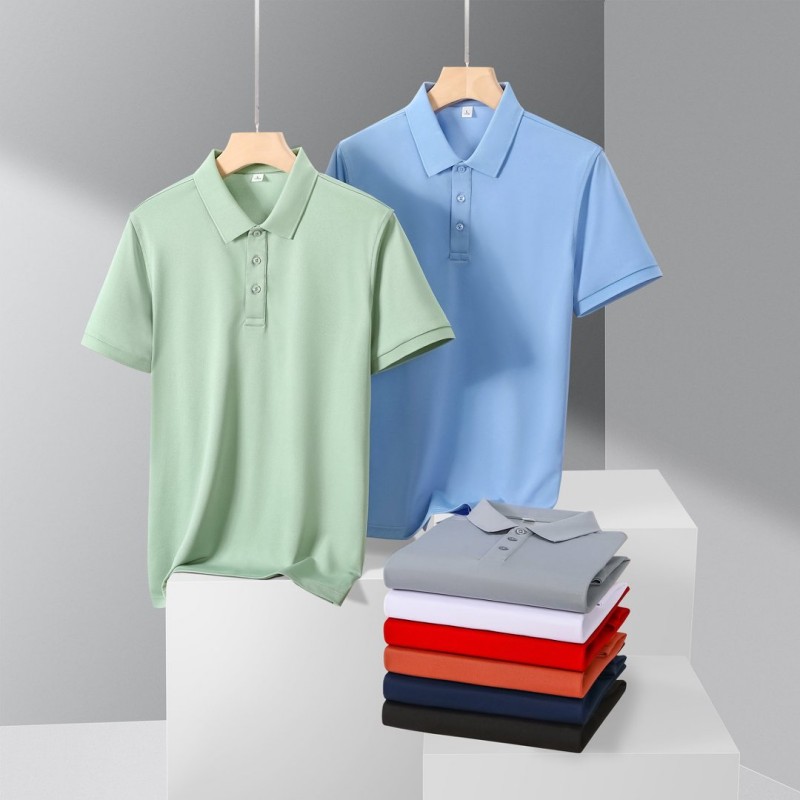
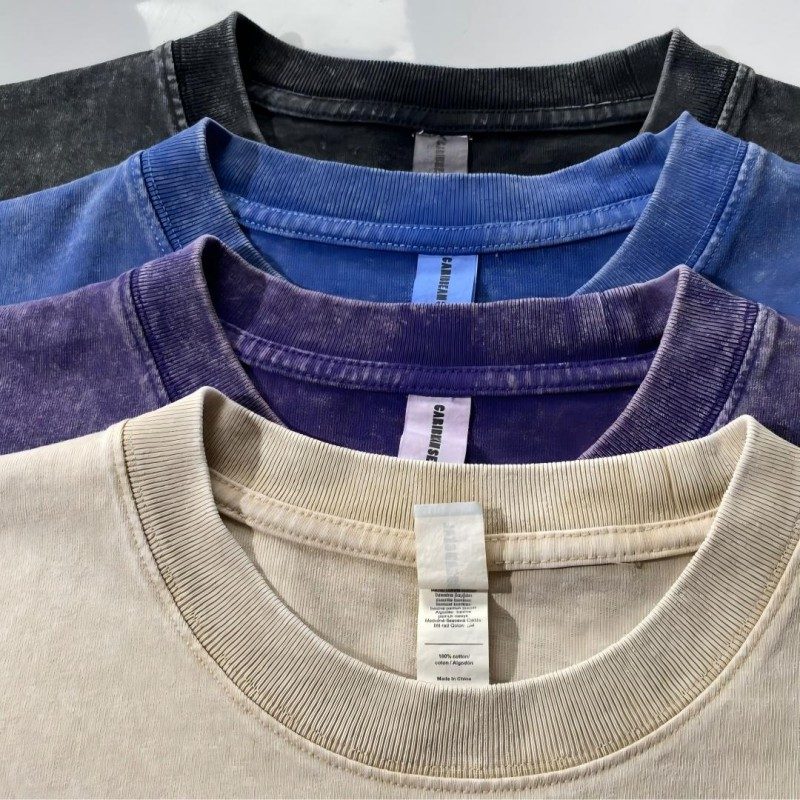
Light knitted fabrics, easy movement, and restrained decoration usually suit warm-weather programs. Cotton, cotton blends, polyester, and stretch blends offer different balances of softness, moisture management, shape retention, and care.
The final weight depends on the wearing purpose. Daily wear, staff uniforms, events, and active programs can need different surfaces and fits even when all four use a short-sleeve shirt.
For a practical starting point, compare custom T-shirt seasonal options with the event duration, expected temperature, target fit, color range, and logo size. This makes the season a design input rather than a last-minute styling label.
Layering keeps transitional seasons flexible
Spring and autumn collections gain flexibility from layers. A T-shirt or polo can serve as the base, with a light hoodie, sweatshirt, or jacket adding warmth without turning the range into winter-only apparel.
Layering should be checked as a complete outfit. Collar shapes, hem lengths, sleeve proportions, and color compatibility determine whether the pieces still look intentional when worn together.
Cool-weather programs need warmth without bulk
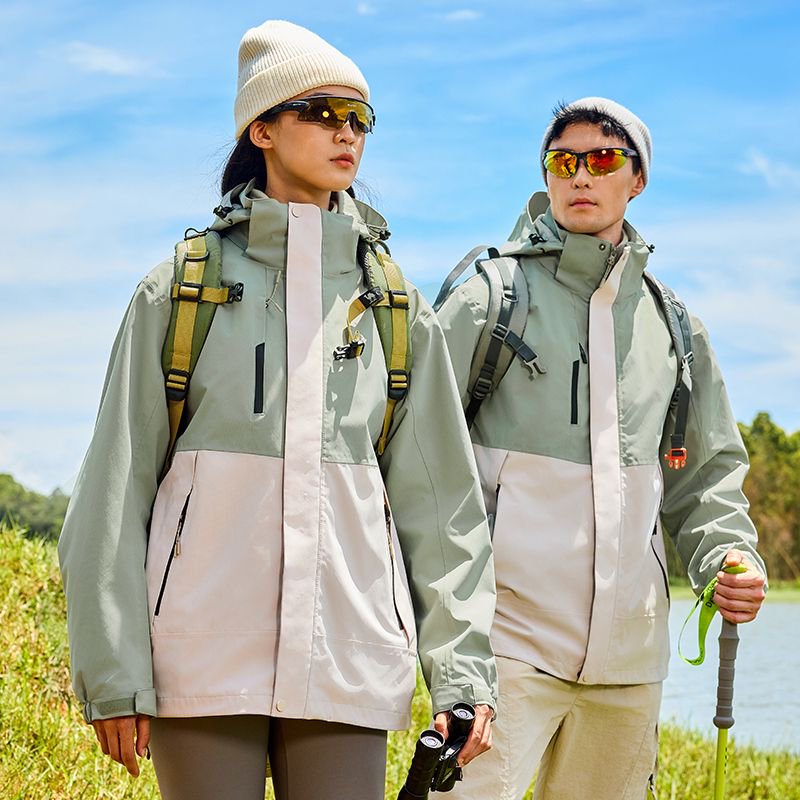
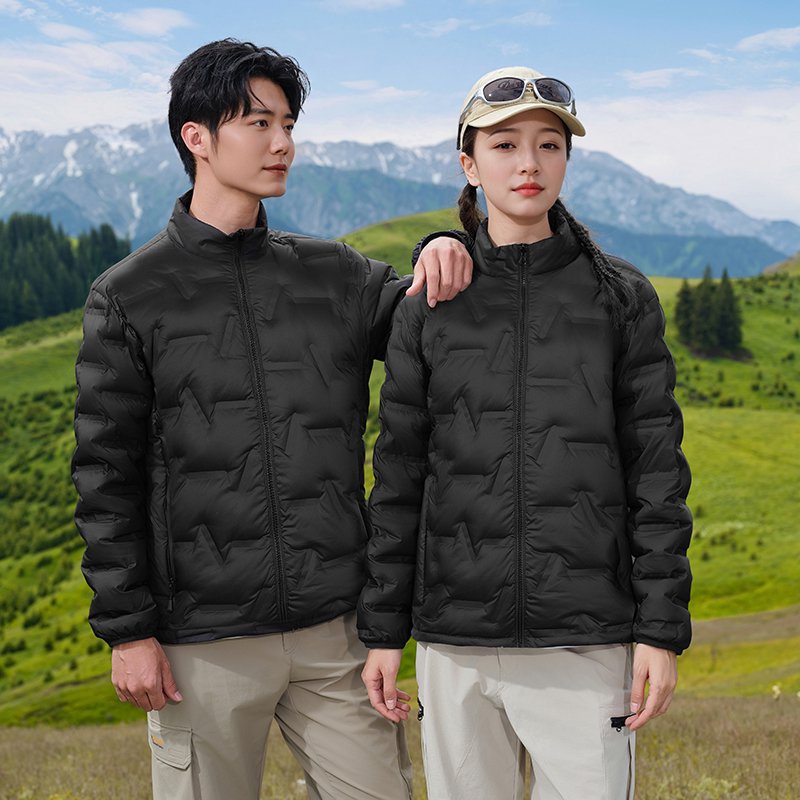
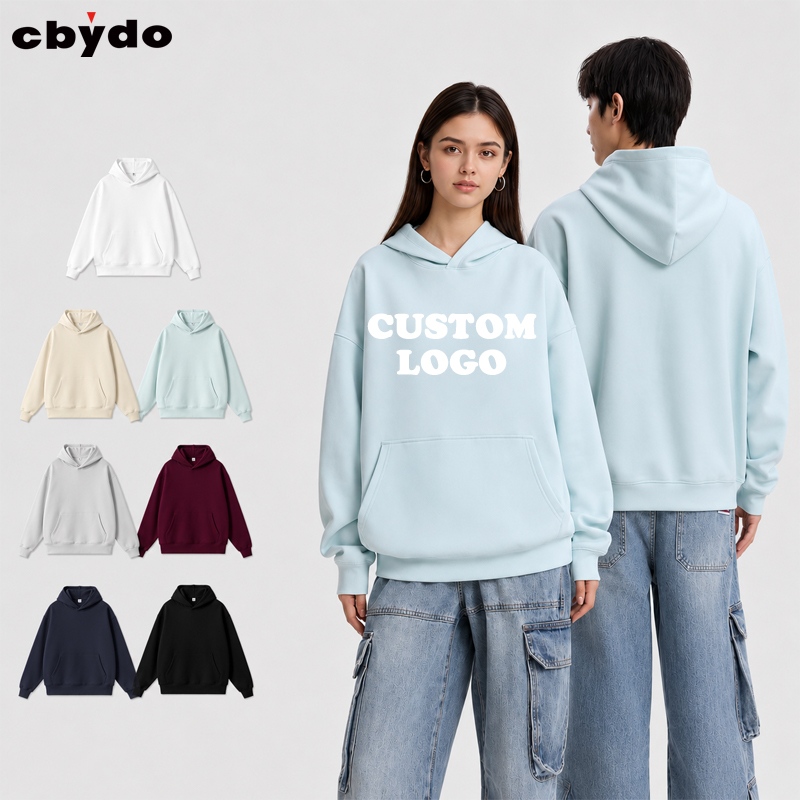
Cool-weather garments need enough warmth for the real layering plan without restricting movement. Terry, fleece, and other knitted textures suit hoodies and sweatshirts, while a woven jacket or down layer can add coverage in harsher conditions.
Cbydo offers hoodie and sweatshirt weights from lighter midweights through heavyweight options, with regular, oversized, boxy, and customized fits. Those choices give buyers room to build a seasonal range without losing control of the silhouette.
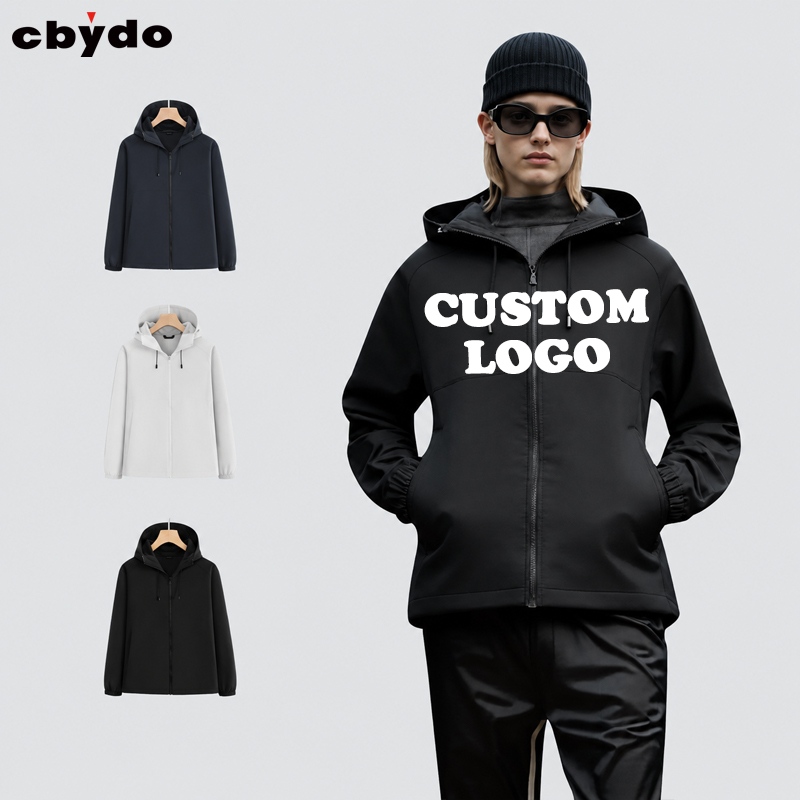
A review of custom hoodie fabric choices becomes more useful when the buyer also describes the base layer, climate, activity level, and decoration. Heavyweight fabric feels substantial, but it may limit an active program.
| Seasonal need | Useful garment direction | Questions for the buyer |
| Warm season | Light T-shirt or polo | What fabric feel, fit, and decoration weight suit long wear? |
| Spring or autumn | T-shirt plus hoodie or light jacket | Can the pieces layer comfortably and share a color system? |
| Cool indoor or outdoor use | Midweight sweatshirt or hoodie | How much warmth and movement does the wearer need? |
| Cold outdoor conditions | Functional jacket or down layer | What protection, lining, and weather performance are required? |
The table provides a simple assortment framework. It does not replace sampling because actual warmth and comfort depend on fabric construction, fit, lining, and the way the garment is worn.
Style consistency matters across the year
Seasonal variety still needs a recognizable brand code. A shared color palette, repeated logo hierarchy, related labels and packaging, or a stable fit language can connect T-shirts, hoodies, and jackets.
The same planning also simplifies approvals. Compatible trims, artwork, and size logic make it easier to track related garments and reduce avoidable changes between seasonal launches.
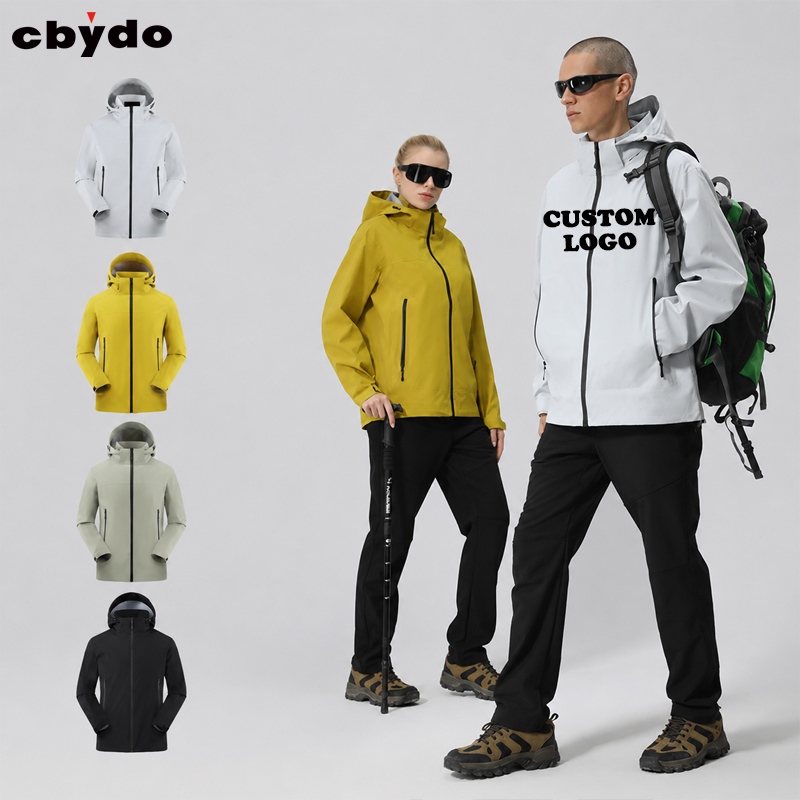
For outer layers, custom jacket seasonal layers can connect the collection to practical protection while keeping the same brand mark and visual hierarchy used on lighter garments.
A seasonal production plan that stays manageable
A manageable seasonal plan groups garments by use and approval timing. Decide which products share artwork, color references, labels, and packaging before the sampling schedule becomes crowded.
- Map the wearing season, climate, activity, and indoor or outdoor setting for each garment.
- Choose fabric weight and texture with the planned layering system in mind.
- Keep logo placement, labels, colors, and packaging consistent across related products.
- Approve a representative sample for each meaningful fabric, fit, or construction change.
Cbydo supports light customization on ready-made garments as well as full customization through cutting, logo work, and sewing. A brand can therefore test a seasonal concept quickly and reserve deeper development for styles that need distinct construction.
Seasonal apparel works best as a connected system
A strong seasonal range connects fabric, fit, layering, decoration, and brand consistency. Every garment can use a different material; the key is that each choice makes the season and wearing situation understandable.
To turn the assortment into a sample plan, اتصل بنا with the seasonal calendar, target wearer, climate, fit direction, color system, and quantity range.
أسئلة متكررة
Which fabric is best for summer custom apparel?
A lighter knitted fabric or a suitable cotton or blended construction can work well, but the right choice depends on the use, fit, activity, and preferred hand feel. The sample should confirm comfort before bulk approval.
Are heavier fabrics always better for winter clothing?
Heavier fabric can add warmth and structure, but warmth also depends on texture, lining, layering, and fit. The best winter choice balances protection with the movement and indoor or outdoor use expected.
How can one brand keep seasonal products consistent?
Use a shared color palette, logo hierarchy, label system, packaging direction, and fit language. Related artwork and trims can also make T-shirts, hoodies, and jackets feel like one collection.
Should buyers use the same logo method on every seasonal garment?
Not always. Fabric surface, garment stretch, placement, artwork detail, and care requirements can change from one product to another. A consistent visual result matters more than using one process everywhere.
When should seasonal samples be approved?
Approve samples early enough to confirm fabric, fit, decoration, color, labels, and packaging before the planned selling or event date. Earlier approval leaves room to adjust a material or construction without rushing the bulk order.