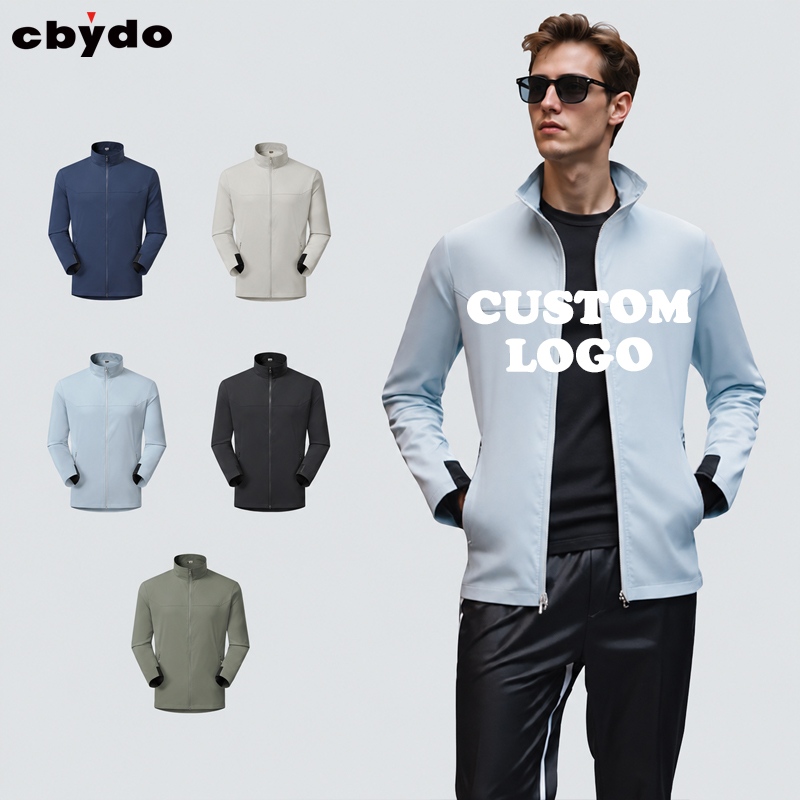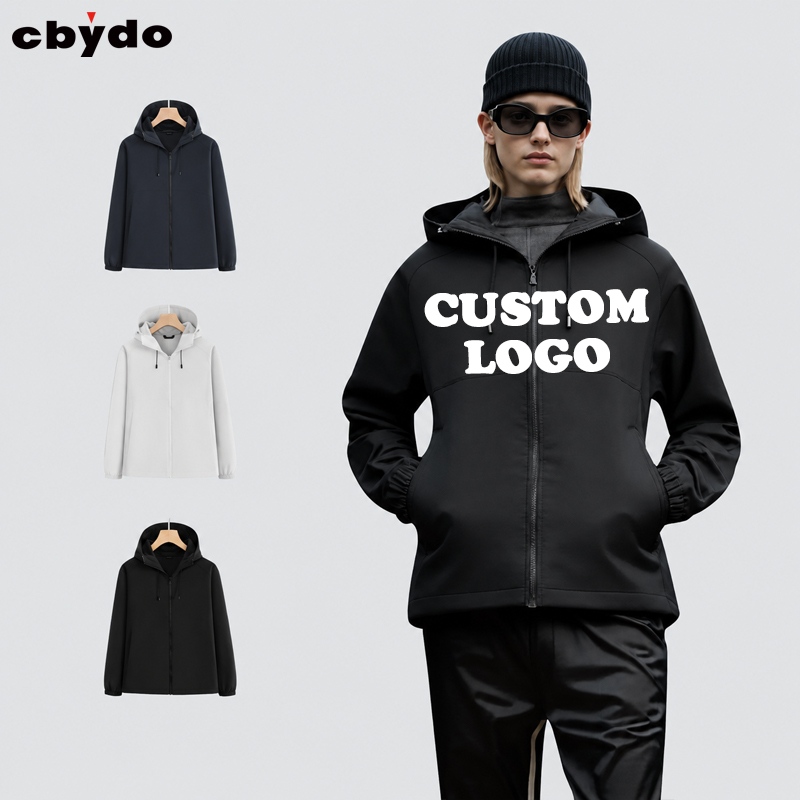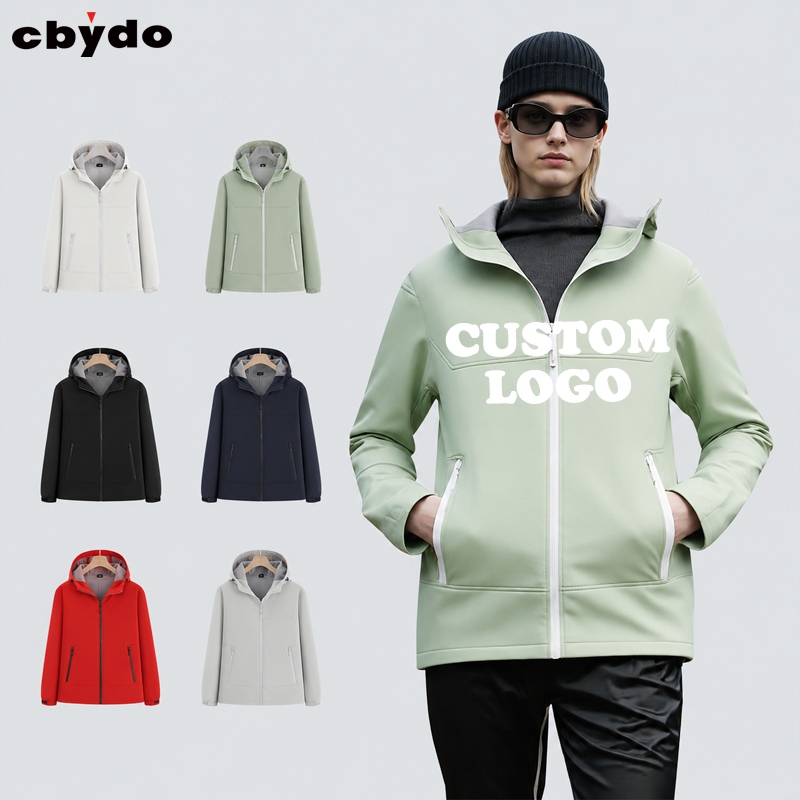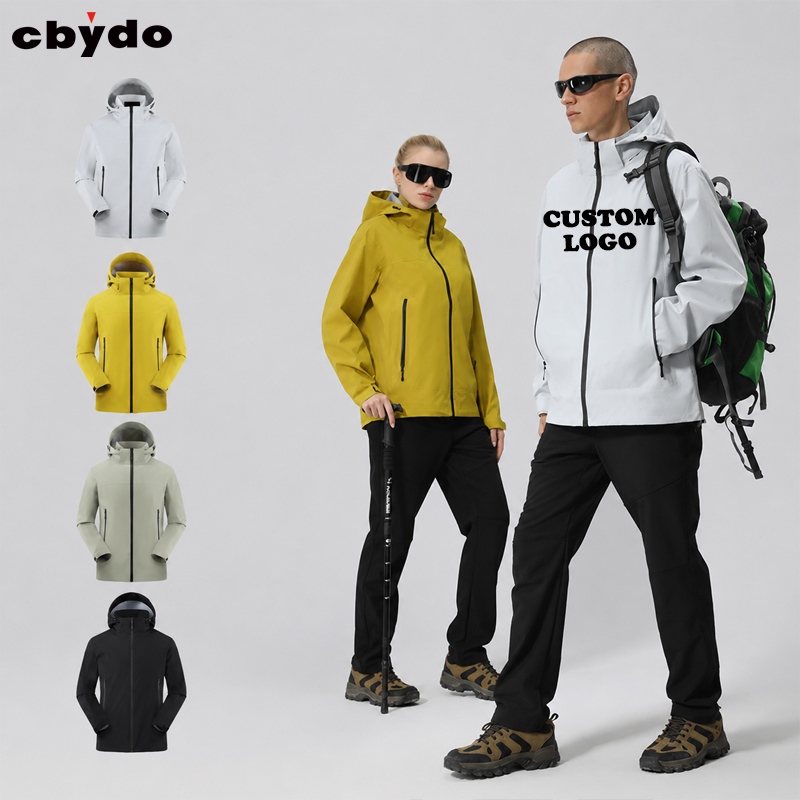
Custom Jacket Fabric Guide for Comfort and Durability
-
 著者
著者
- 14th 10月 2026
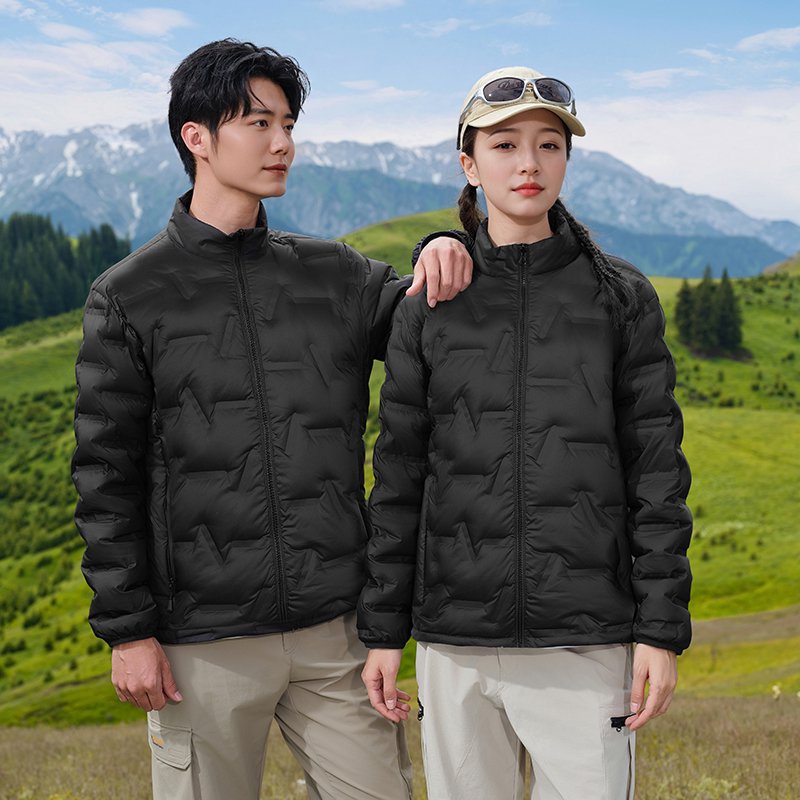
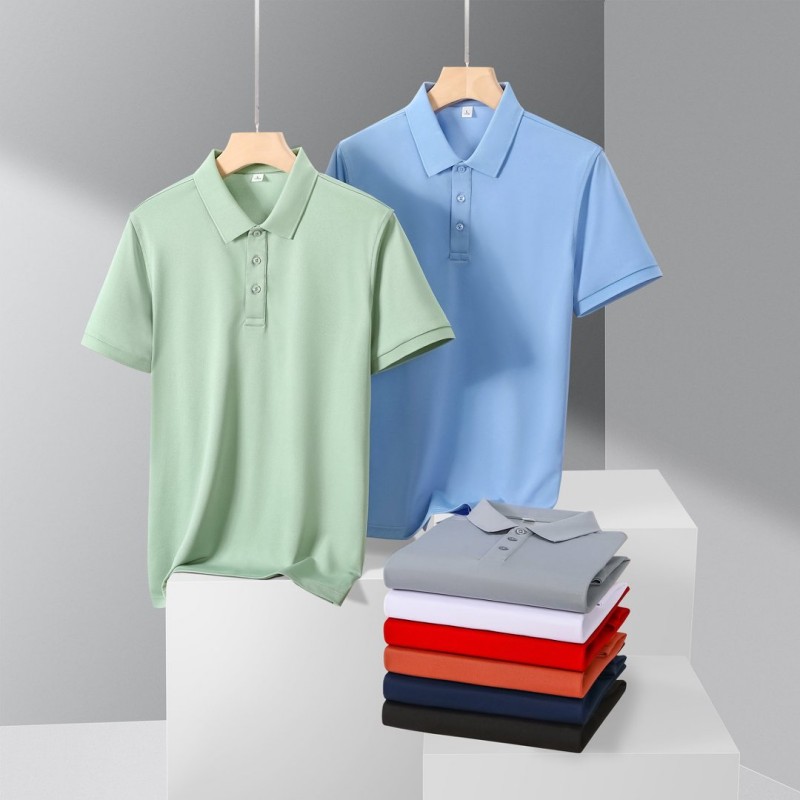
Choosing a custom jacket fabric is a practical balance between comfort, durability, weather needs, and the way the garment will be decorated. For brands ordering in bulk, the best material is the one that fits the actual wearing situation and can be reproduced consistently. This guide connects fabric choice to construction, customization, and sampling decisions.
Fabric decisions that shape the finished jacket
Comfort comes from fiber and construction
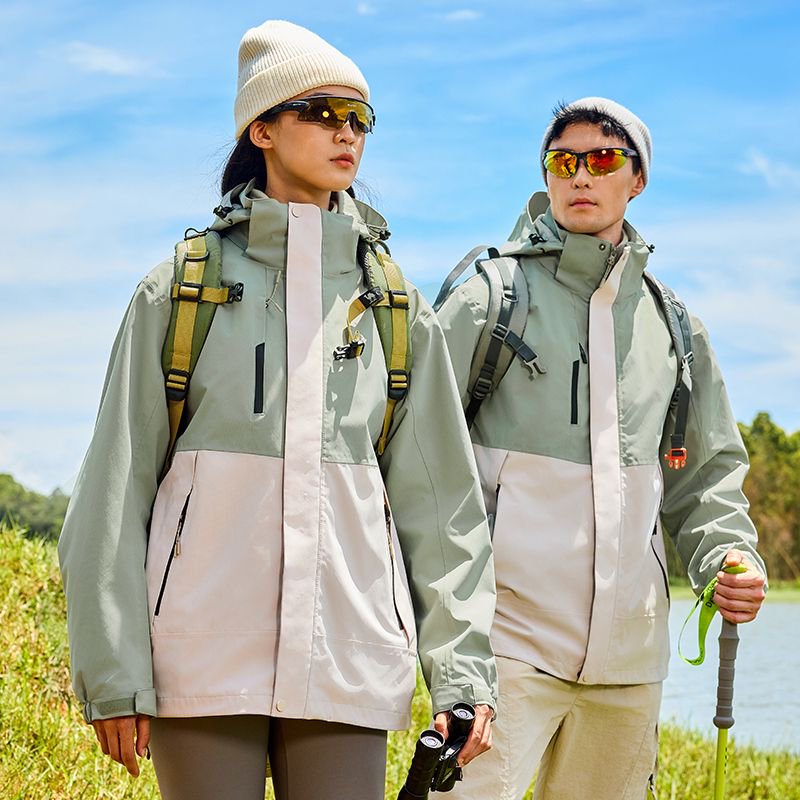
A comfortable jacket is built from several decisions. Fiber, surface texture, lining, weight, and cut all affect how the garment feels through a full workday, a commute, or outdoor activity.
Woven polyester and nylon make practical starting points for a stable outer layer that is easy to care for. Cotton-rich fabrics bring a softer, familiar hand, while blends can help retain shape and handle abrasion.
The fabric brief should describe the wearing situation before it names a material. A light team jacket for mild weather has different priorities from a work layer exposed to repeated movement, equipment, or changing temperatures.
Durability depends on use, not fabric names
A durable jacket depends on the relationship between fabric, seams, trims, and expected wear. A dense woven shell can handle repeated use, yet a weak seam, unsuitable zipper, or poorly matched logo process can still reduce service life.
The complete jacket build deserves comparison alongside the fiber label. Check rubbing resistance, shape retention after cleaning, and the way the chosen decoration behaves on the fabric surface.
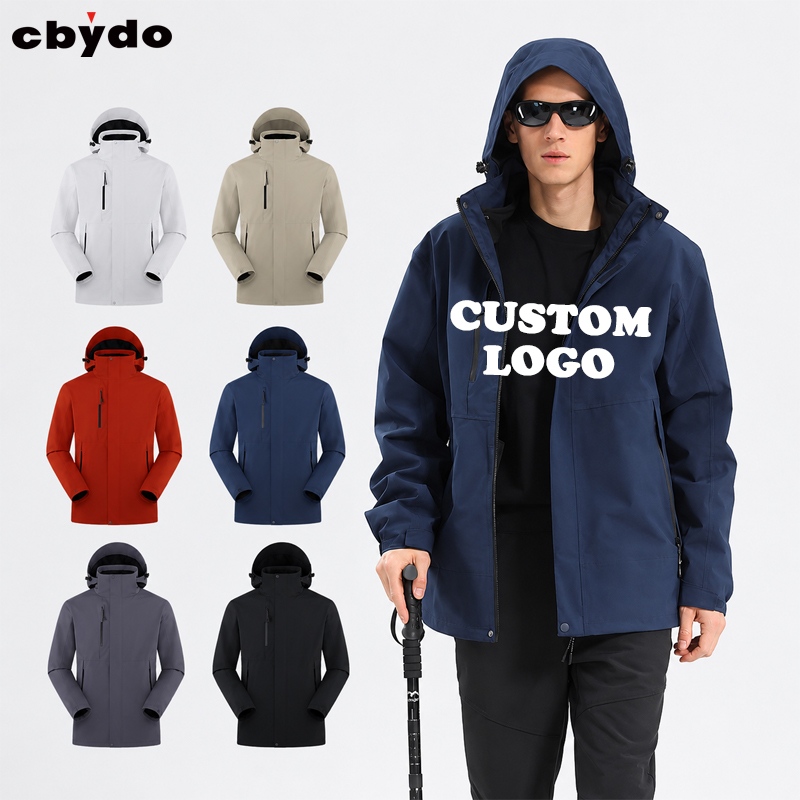
For a clear starting point, review custom jacket fabric options alongside the intended use, target season, and required branding. This keeps the material decision connected to the final product instead of treating fabric as an isolated specification.
Match the fabric to the jacket’s job
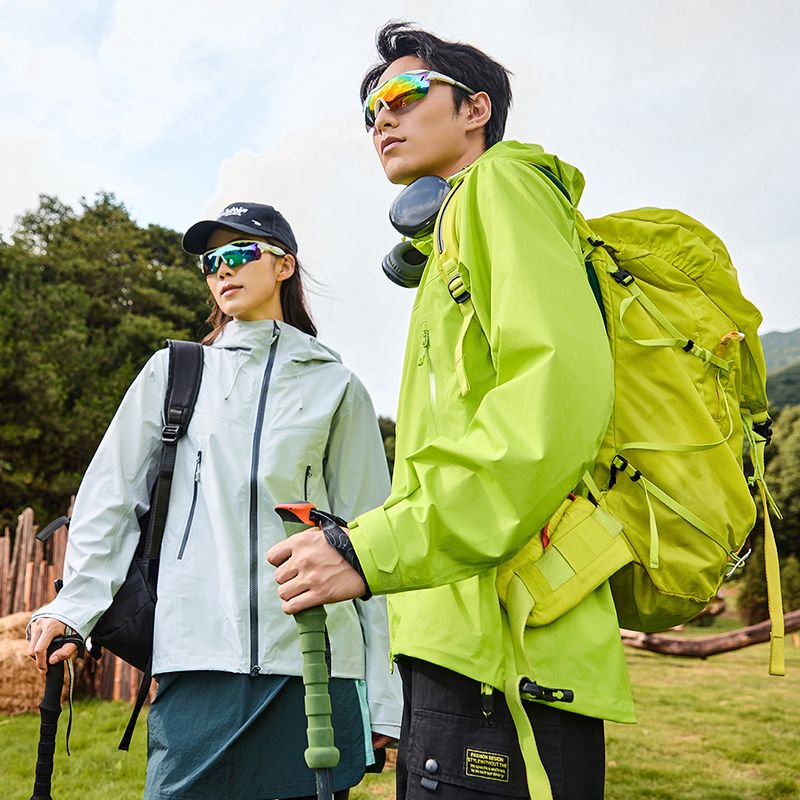
The jacket’s job gives the fabric comparison a useful starting point. A simple matrix lets a brand team weigh comfort, protection, appearance, and production practicality before samples are requested.
| Jacket need | Useful material direction | What to confirm before approval |
| Light everyday layer | Lightweight woven polyester or nylon | Hand feel, drape, wind resistance, and logo compatibility |
| Active outdoor use | Functional woven shell with a suitable lining | Breathability, water resistance, seam construction, and mobility |
| Workwear or team use | Durable woven fabric or a balanced blend | Abrasion areas, color stability, pocket details, and cleaning method |
| Fashion-led brand piece | Cotton-rich, textured, or customized woven fabric | Surface appearance, shrinkage, trims, and consistency across sizes |
The table is a decision aid, not a substitute for sampling. The same fabric family can behave differently at different weights, finishes, and constructions, so the approved sample should represent the production version as closely as possible.
Keep customization practical in production
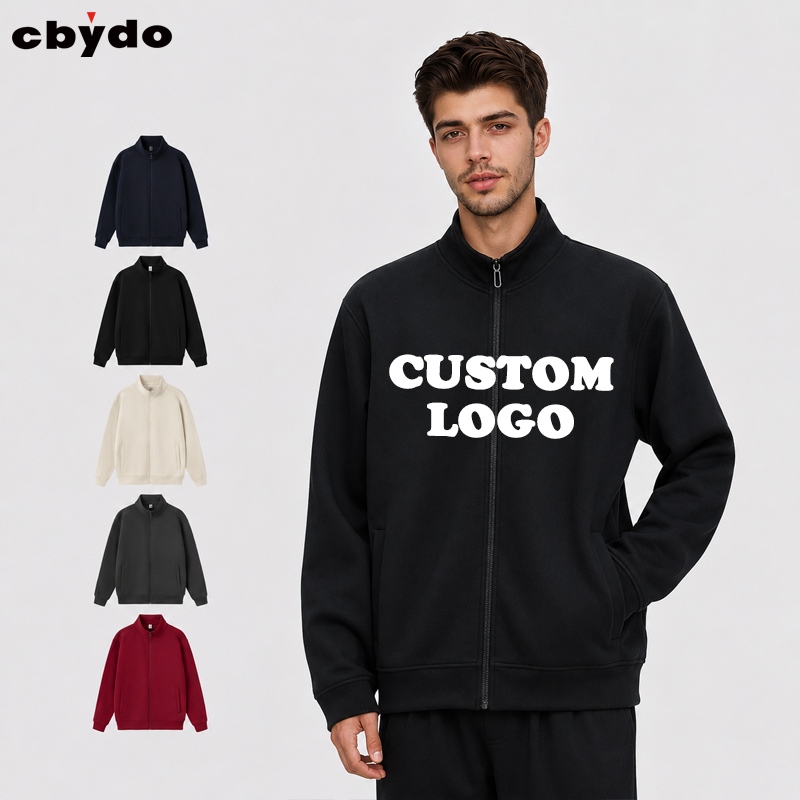
Brand identity works best when it is considered alongside jacket construction. Cbydo supports ready-made garment customization and full customization, giving buyers a choice between adding a logo to an existing base and developing a deeper cut-and-sew style.
Light customization can fit a small campaign, uniform refresh, or quick brand test when an available base already meets the use case. Full customization becomes more useful when the project depends on a particular silhouette, fabric combination, pocket layout, lining, or trim package.
Brand details should also respect the fabric. Embroidery, screen printing, heat transfer, and other logo techniques each create a different visual and tactile result. A practical review of custom outdoor jacket materials can help the buyer connect the outer fabric with the decoration method.
Record fabric composition, weight, color reference, surface finish, lining, trims, logo placement, size range, and care instructions in the production brief. These details help keep the approved comfort and durability consistent through the bulk run.
A material shortlist before sampling
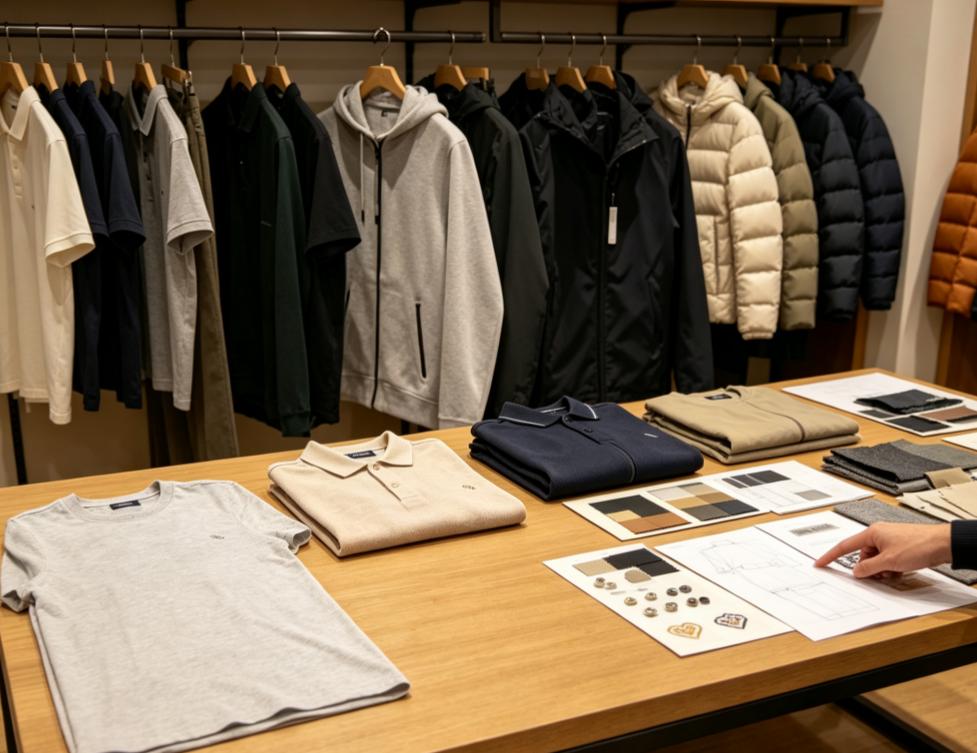
A short written checklist gives the first sample a clear purpose. The factory can evaluate the same priorities as the buyer while the material direction remains open enough to adjust when the sample reveals a better option.
- State where the jacket will be worn, how often it will be cleaned, and whether it must layer over other clothing.
- Separate comfort requirements from protection requirements so one does not hide the other.
- Identify logo size, placement, and decoration method before judging the fabric surface.
- Confirm whether the same material must work across different colors, sizes, and seasonal releases.
Cbydo’s own sample and production workshops, fabric and accessory supply chain, and quality inspection process give buyers a practical base for testing these choices before bulk production. The useful next step is a focused sample brief, not a long list of unrelated options.
A fabric choice that survives real wear
The strongest custom jacket fabric decision fits four things at once: the wearer, the setting, the brand image, and the production route. Full construction shapes comfort, expected use defines durability, and a joined material and decoration brief supports consistency.
For a professional comparison, share the target use, season, preferred hand feel, performance needs, logo artwork, and quantity range with custom work jacket details. Cbydo can then help narrow the brief toward a sample that is easier to evaluate.
When the material brief is ready, お問い合わせ with the intended application and customization route so the next sample discussion starts with the right questions.
よくある質問
Which fabric is best for a custom jacket?
The best fabric depends on use, season, comfort expectations, protection needs, and decoration. Polyester and nylon woven fabrics are common functional starting points, while cotton-rich or blended options can support a softer fashion or workwear feel.
How should buyers compare jacket fabric weights?
Compare weight together with structure, lining, fit, and intended season. A heavier fabric is not automatically more durable or more comfortable, and a lightweight shell may be more useful when layering and mobility matter.
Can a jacket fabric be changed during customization?
Yes. Full customization can include a different fabric, construction, or trim package, subject to development and production feasibility. The change should be confirmed through a sample rather than judged from a material name alone.
Which logo methods work on custom jackets?
Common options include embroidery, screen printing, heat transfer, flocking, and other logo techniques. The best choice depends on the fabric surface, artwork, placement, color, and the required balance of appearance and durability.
What should be included in a jacket sample brief?
Include the use case, fabric direction, weight or hand feel, color reference, lining, trims, logo artwork, measurements, size range, care requirements, and target quantity. These details give the sampling team a clear decision framework.