How to Plan Custom 3-in-1 Jackets for Outdoor Collections
-
 저자
저자
- 10th 9월 2026
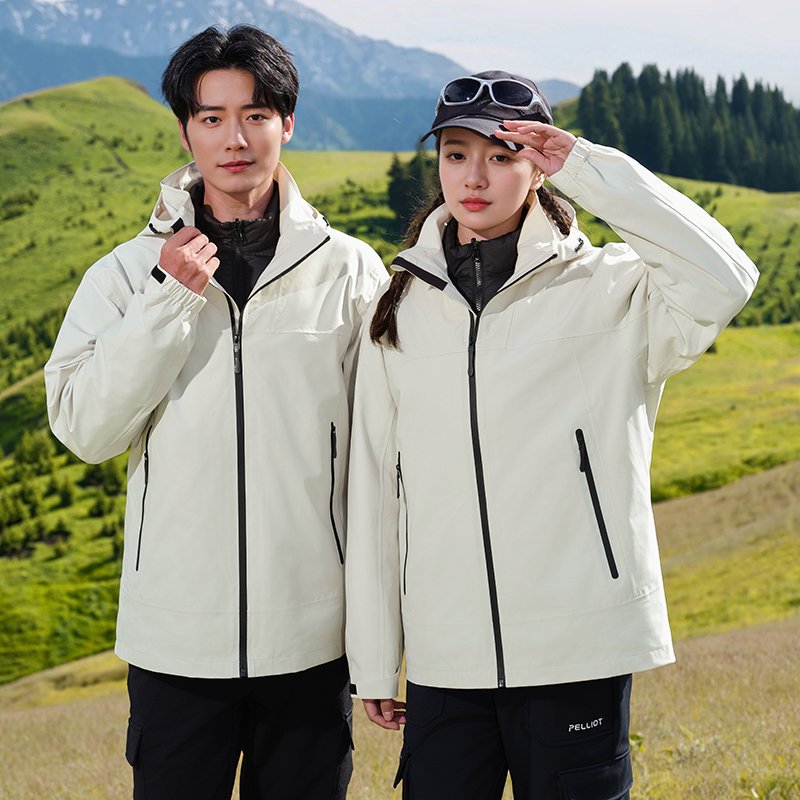
A 3-in-1 jacket earns its place in an outdoor collection when the shell, liner, and connection system work as one product story. For brands and wholesale buyers, the challenge is to cover changing weather without creating bulk, confusion, or production drift. This guide focuses on the design and approval decisions that make modular outerwear workable.
What a 3-in-1 Jacket Must Do
The value of a 3-in-1 jacket comes from controlled versatility, not from simply combining two garments. The outer shell should protect the wearer from wind and rain, while the inner layer should add warmth and remain useful on its own. The joined configuration then needs to feel balanced, with no exposed fasteners, loose lining, or awkward bulk at the collar and cuffs.
A coherent product brief describes three wearing modes: shell only, liner only, and the complete jacket. Each mode should have a clear purpose. A lightweight shell can serve spring trekking and wet commutes, a fleece or cotton liner can support mild-weather use, and the combined garment can extend the season without a separate heavy coat.
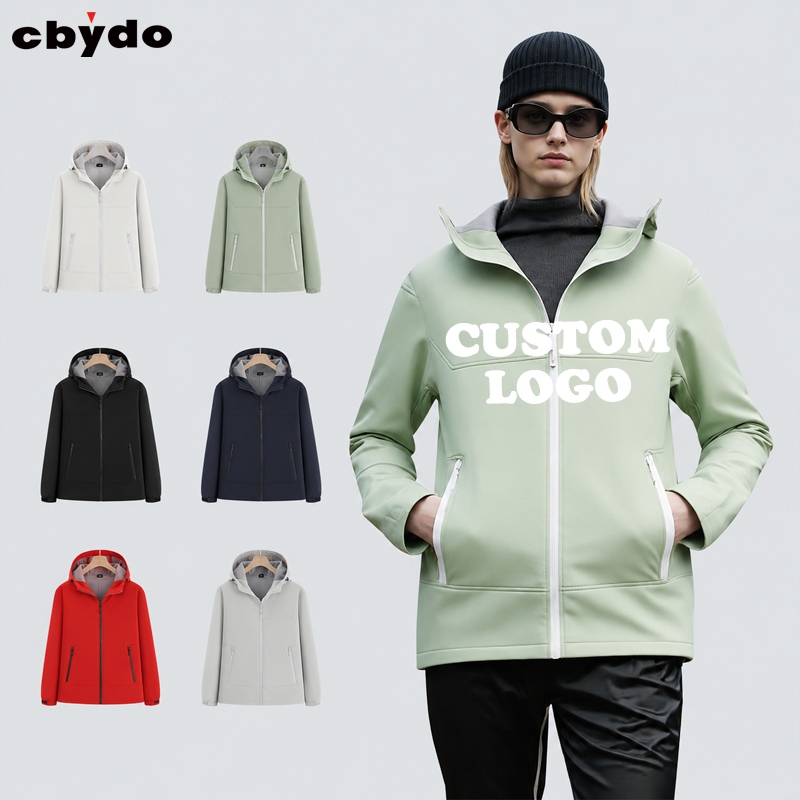
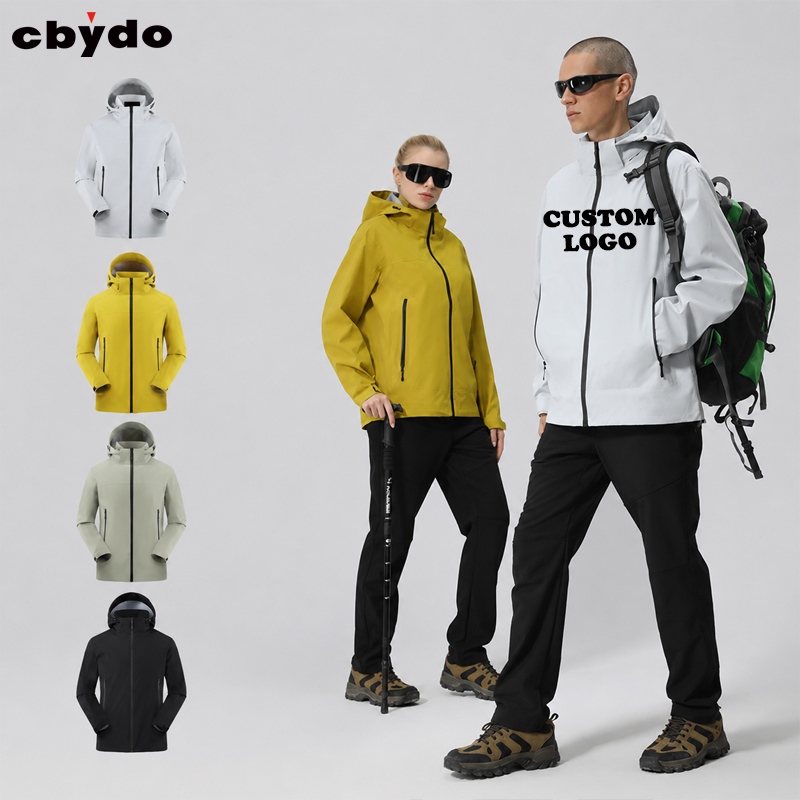
For a collection that needs an identifiable outdoor identity, Cbydo can translate this modular logic into a custom jacket range for outdoor collections with the fit, color, labels, and logo details aligned across all three configurations.
The Layer Architecture Shapes the Product
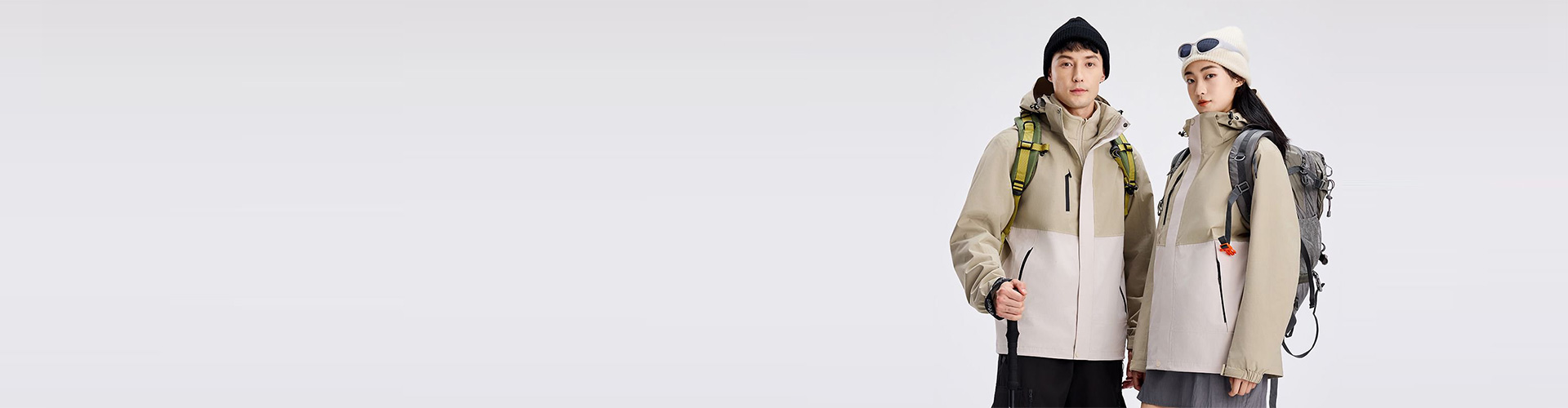
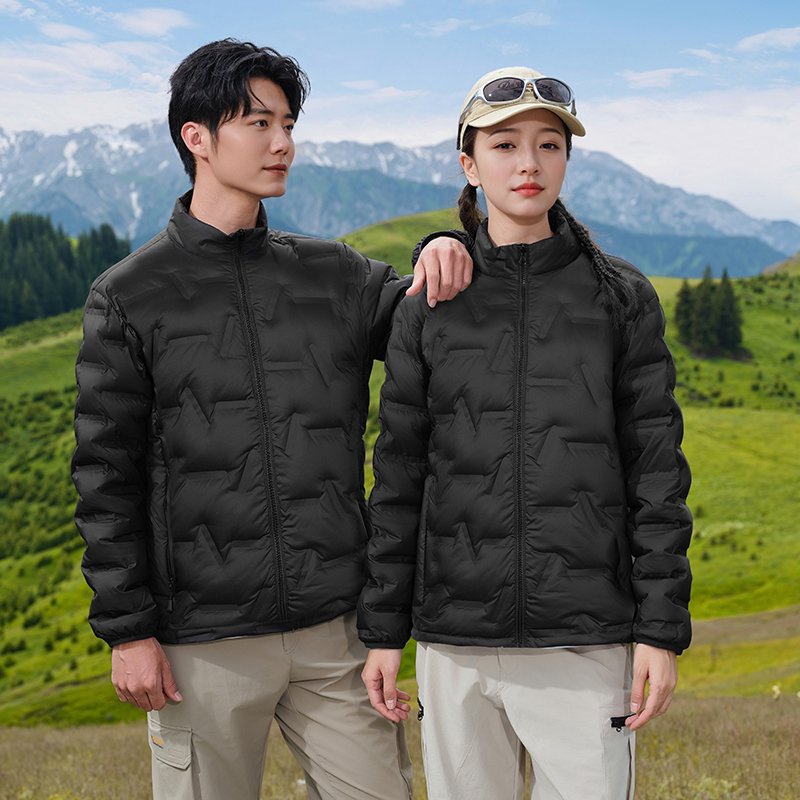
The shell and liner should be planned as a matched system from the first sample. The Cbydo outdoor jacket range supports single-layer, softshell, integrated, and 3-in-1 constructions, with liner directions including polar fleece, cotton, and down. That range gives a buyer room to match insulation to climate, price position, and intended activity.
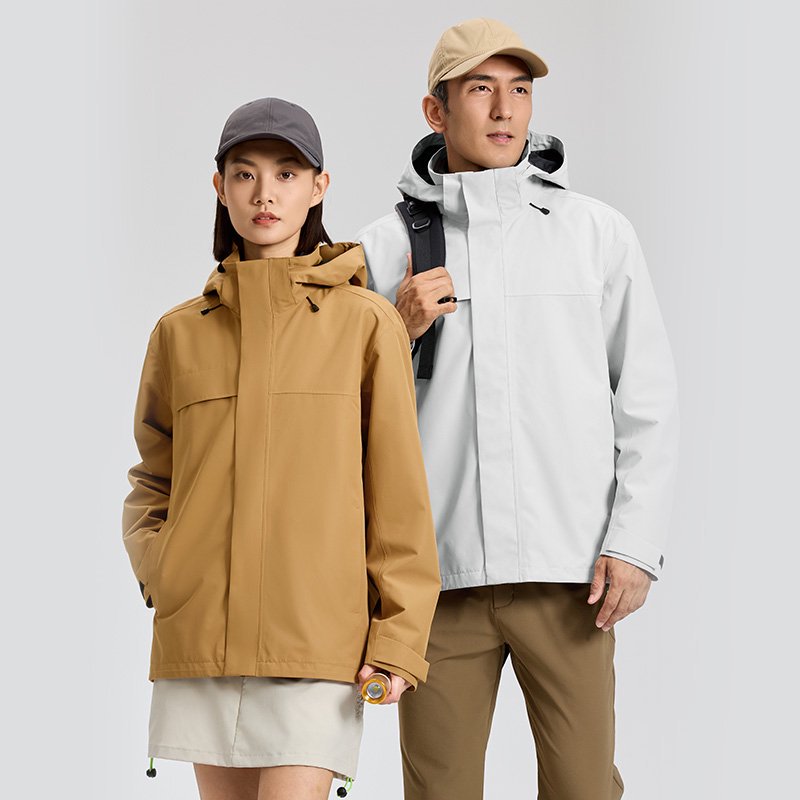
The shell fabric sets the weather-facing character of the garment. The supplied product range includes polyester, nylon, and other woven fabrics, with waterproof and breathable performance expressed through indexed options. A brief should define the expected balance instead of treating a higher number as automatically better for every market.
The liner determines how often the jacket can be worn independently. A fleece liner gives a visibly casual outdoor feel and can add warmth without the weight of down. A cotton liner may suit a softer lifestyle direction, while a down liner can support colder positioning when packability and warmth are central to the range.
Layer choice by collection role
| Layer role | Best fit | Approval focus | Common risk |
| Outer shell | Wet, windy, changeable weather | Hand feel, hood, seam treatment, closure | Too stiff or noisy |
| Inner liner | Mild days and warmth indoors | Softness, weight, independent appearance | Liner looks unfinished alone |
| Combined | Cold or exposed conditions | Connection points, balance, mobility | Bulk at armhole or collar |
The connection system determines whether the garment feels premium. Zippers, snaps, loops, or other attachment details should be easy to operate with gloves and should not pull the shell out of shape. Sample reviews should test repeated attachment and separation, not only the hanger appearance.
Fit and Detail Decisions Need Three-Way Testing
Fit must be checked in every wearing mode because a pattern that works for the shell alone may feel tight once the liner is attached. The armhole, sleeve opening, hem, and collar deserve particular attention. A 3-in-1 sample should allow normal movement with the liner connected, while the liner should not look excessively oversized when worn separately.
Functional details should reinforce the intended use instead of decorating the garment. A hood, adjustable cuff, secure pocket, and clean front closure can improve weather readiness, but every added detail affects weight, cost, and production consistency. The strongest brief identifies which details are essential and which can be removed if they complicate the fit or delivery target.
*Review the shell alone for hood coverage, cuff adjustment, pocket access, and rain-exposed openings.
*Review the liner alone for comfort, clean finishing, warmth, and whether the branding still looks complete.
*Review the joined jacket for shoulder mobility, sleeve movement, collar comfort, and balanced proportions.
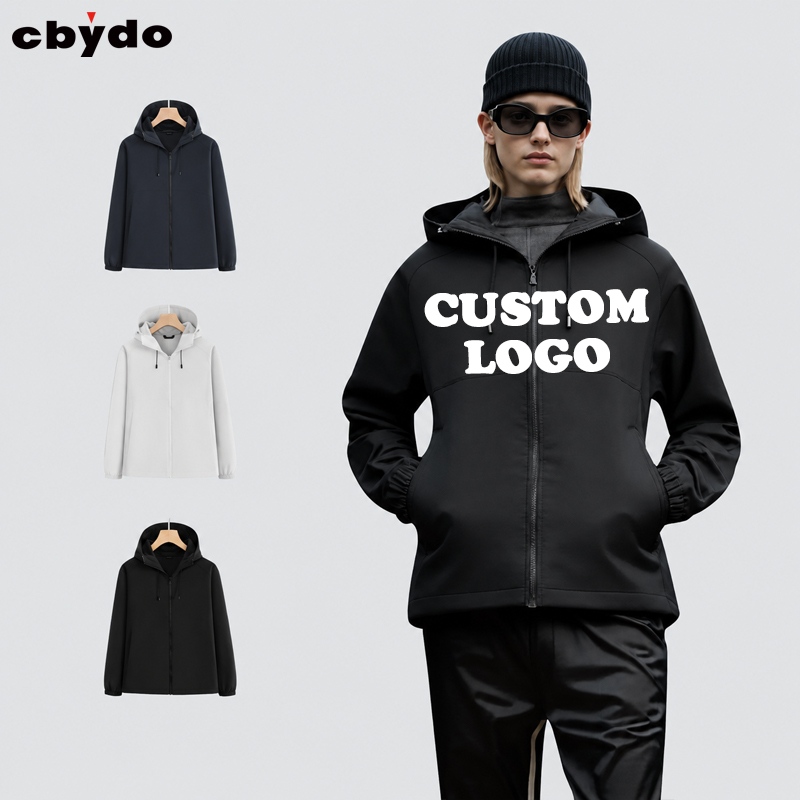
Branding also needs a three-way plan. A large outer-shell logo may be appropriate for a workwear or event line, while a smaller woven label or embroidery can keep the liner wearable on its own. Cbydo supports multiple logo methods, including heat transfer and flat or three-dimensional embroidery, so the decoration choice can follow fabric surface, wash exposure, and the visual hierarchy of the collection.
A Practical Approval Path for Wholesale Collections
A disciplined sample sequence keeps modular products from drifting between concept and bulk production. The first sample should prove the architecture and wearing modes. The next review should concentrate on fit, connection points, and shell-liner interaction. Only after those decisions are stable should the team finalize decoration, labels, color matching, and packaging.
For a brand comparing custom outdoor jacket systems for brands, the most useful approval record is a short matrix showing what was checked in each mode and what changed after the sample. This record reduces the risk that a shell revision improves weather protection while quietly making the liner uncomfortable or the combined jacket too tight.
Cbydo offers light customization using ready-made garments plus logos, as well as full customization covering cutting, logo application, and sewing. The company states that light customization can start at 30 pieces per color and design, while full customization can start at 100 pieces per color and design. These routes let a buyer match the development depth to the collection’s risk and demand.
Commercial details worth confirming
*Confirm whether the shell, liner, and combined garment share the same size grading and color references.
*Confirm the decoration method and placement for each layer before bulk approval.
*Confirm the connection hardware, spare-part approach, care label content, and packaging presentation.
*Confirm the production route, sample approval point, and delivery window for the selected customization depth.
The Planning Takeaway
A successful 3-in-1 jacket is planned as a coordinated three-mode product, not as a shell with an afterthought liner. Define the role of each layer, test the attachment system under movement, and approve fit and branding in all configurations. When the collection brief keeps those decisions connected, modular outerwear can give wholesalers more seasonal flexibility without sacrificing a consistent brand appearance.
For a new 3-in-1 jacket collection development project, prepare the intended climate, target wearer, preferred liner, size range, logo direction, and sample priorities before requesting development. A focused brief gives the factory enough information to protect the product idea while leaving room for practical construction feedback.
Cbydo can review the product direction and customization route with you through the 저희에게 연락하세요 page when the collection is ready for a production discussion.
FAQ는
Is a 3-in-1 jacket suitable for a wholesale outdoor collection?
Yes, when the three wearing modes serve clear use cases. The format can extend seasonal usefulness while allowing the shell and liner to work as separate products.
Which liner is best for a custom 3-in-1 jacket?
The right liner depends on climate and positioning. Polar fleece emphasizes practical warmth and casual outdoor use, cotton supports a softer lifestyle direction, and down suits colder positioning where warmth and light weight matter.
What should be tested before approving a 3-in-1 jacket sample?
Test the shell, liner, and joined jacket separately. Pay attention to mobility, collar and cuff comfort, pocket access, attachment strength, bulk, and whether the liner still looks finished on its own.
Can the shell and liner use different branding methods?
Yes. A shell may use heat transfer for a clean technical look, while the liner may use a woven label or embroidery. The choice should follow the fabric surface, wash exposure, and the role of each layer.
What information should a buyer prepare for development?
Share the target climate, intended activity, wearing modes, liner preference, size range, color direction, decoration placement, labels, packaging expectations, and the priority issues to review in the first sample.