Custom Clothing by Season: Fabric and Style Choices
-
 author
- 11th November 2026
A seasonal apparel program works best when the garment is planned around the weather, the wearer and the role of the product. A summer event shirt, an autumn staff polo and a winter team jacket do not fail for the same reason. The useful question is how the garment will feel after several hours of real use.
Seasonal planning starts with the wearer
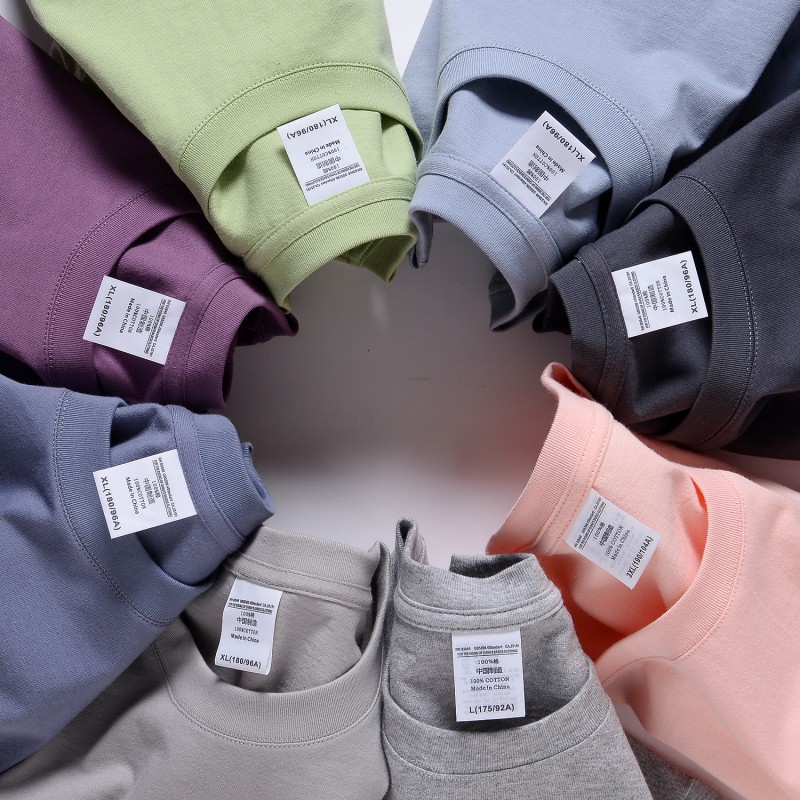
When comparing custom shirt manufacturers, buyers should start by naming the climate. Hot weather usually rewards lighter knitted fabrics, clean seams and a decoration method that does not make the chest feel heavy.
The same planning also protects the budget. If the season only requires a short campaign, stock garments with logo application may be enough; if the garment becomes part of a retail range, the buyer may need deeper development.
Warm seasons need lighter structure
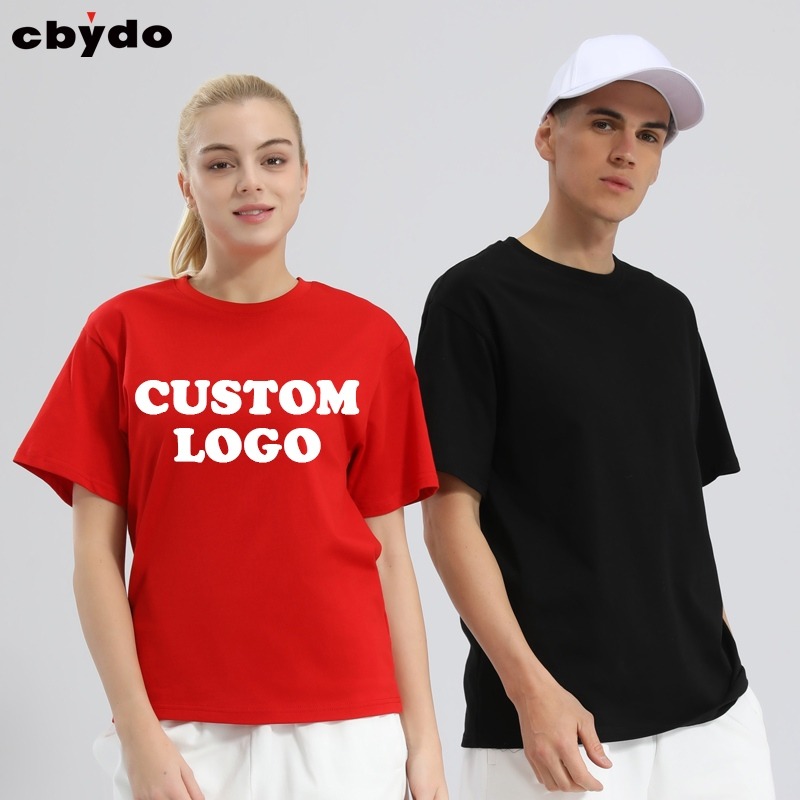
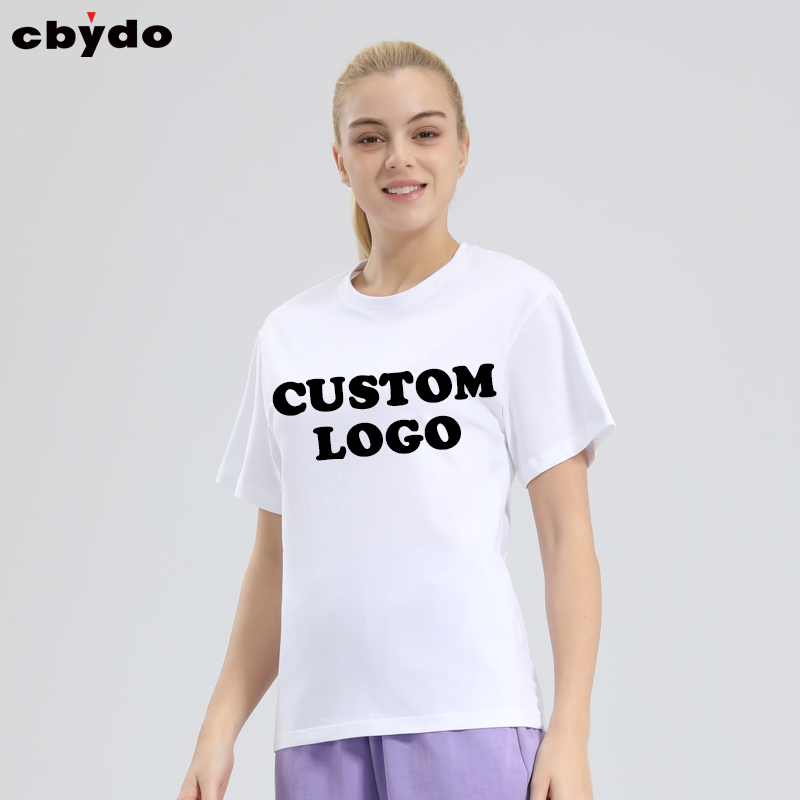
Spring and summer garments need comfort without looking careless. T-shirts, polos and light hoodies can use cotton, cotton blends, polyester blends or stretch constructions depending on the activity.
Cotton feels natural and breathable, while polyester and blended fabrics help with quicker drying and shape retention. A small amount of stretch can help uniforms and team shirts move better during active work.
For a warm trade show, custom sports polo shirts need a cleaner collar than a casual T-shirt, but they still have to breathe. Their design should balance collar shape, fabric weight and logo scale instead of treating a polo as a formal shirt.
Warm-weather decoration should be handled with restraint. A small chest print, light transfer or compact embroidery can preserve comfort better than a dense front graphic.
| Season | Useful garment direction | Planning concern |
| Spring | Polo, T-shirt, light hoodie | Flexible fabric and color range |
| Summer | Light T-shirt or breathable polo | Heat, sweat and logo hand feel |
| Autumn | Hoodie, sweatshirt, light jacket | Layering and decoration placement |
| Winter | Fleece, jacket, vest or down layer | Warmth, bulk and packing |
Cool seasons need layering logic
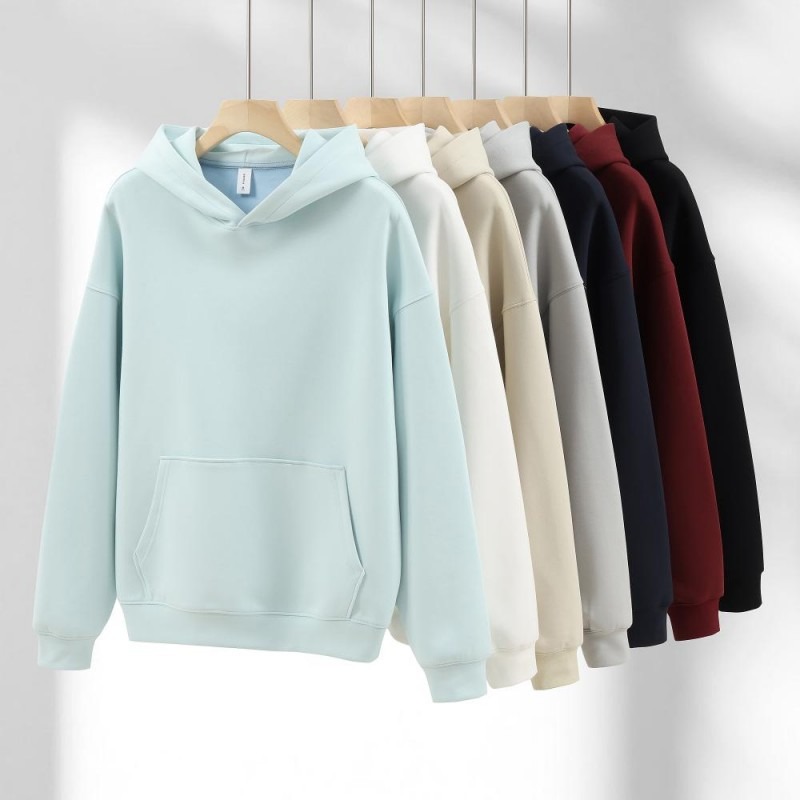
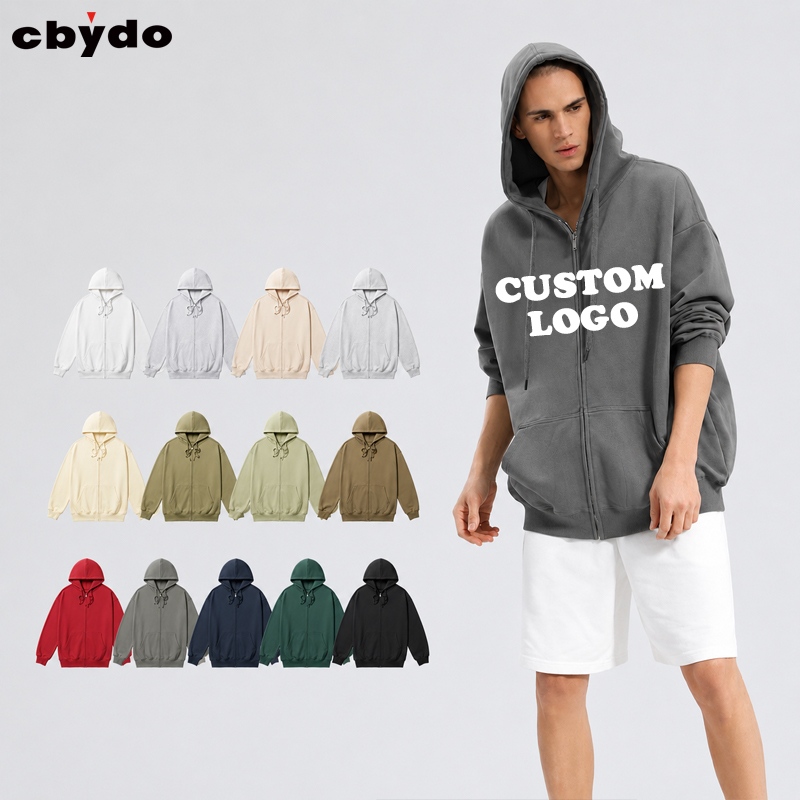
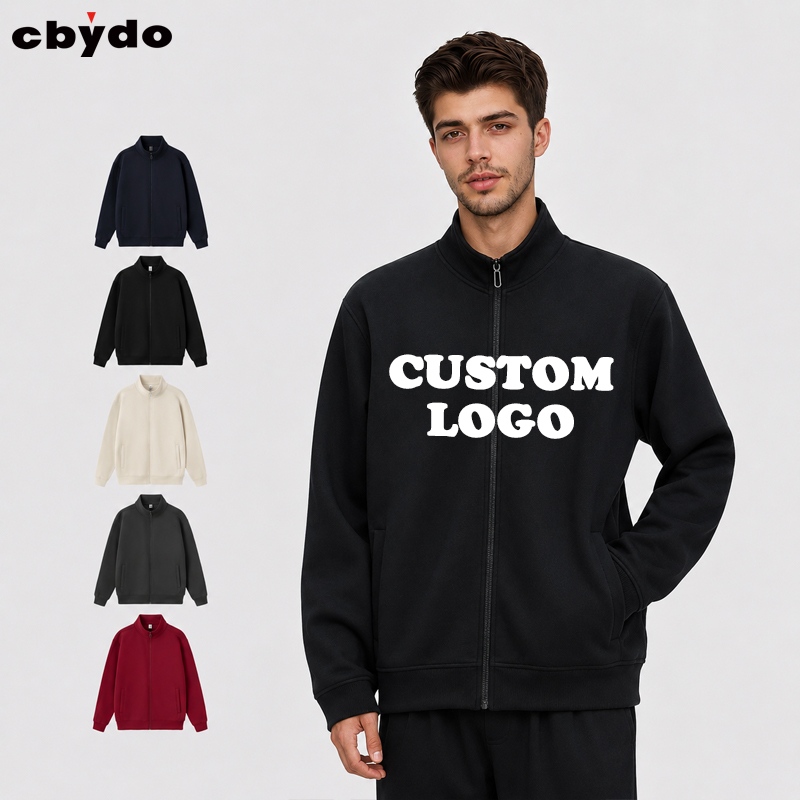
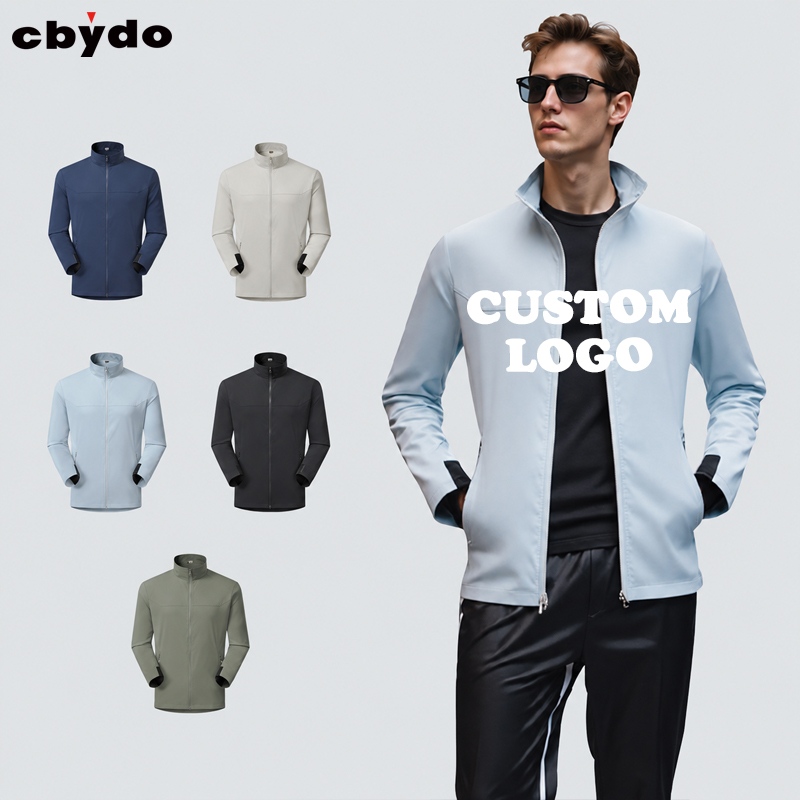
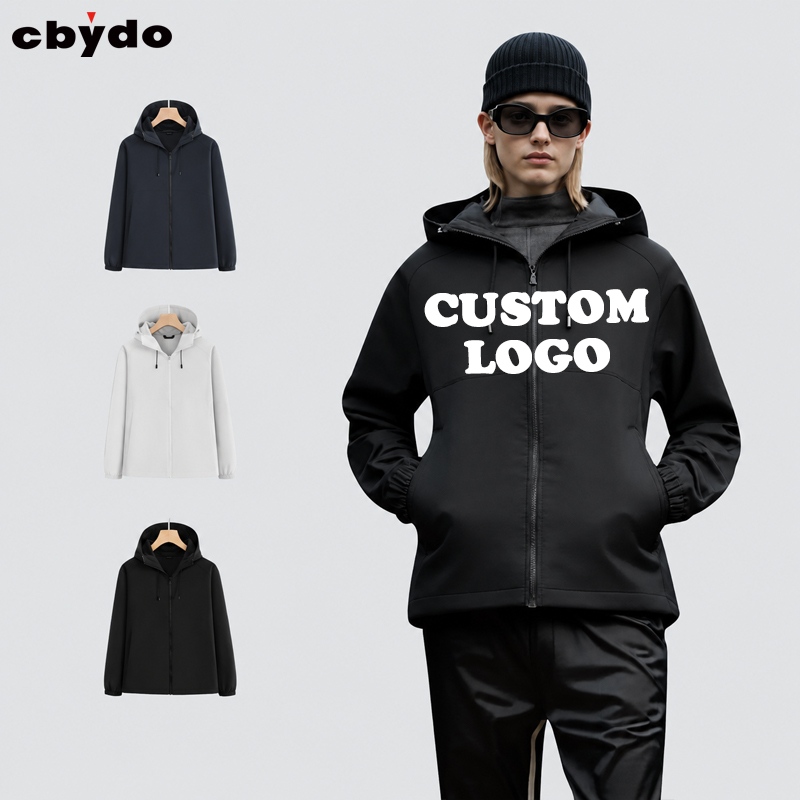
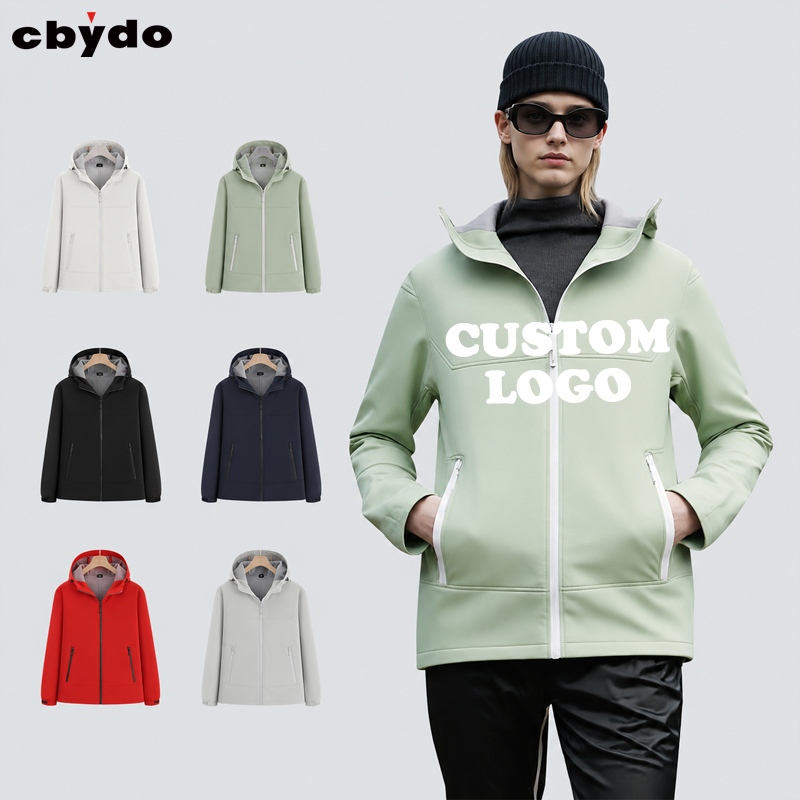
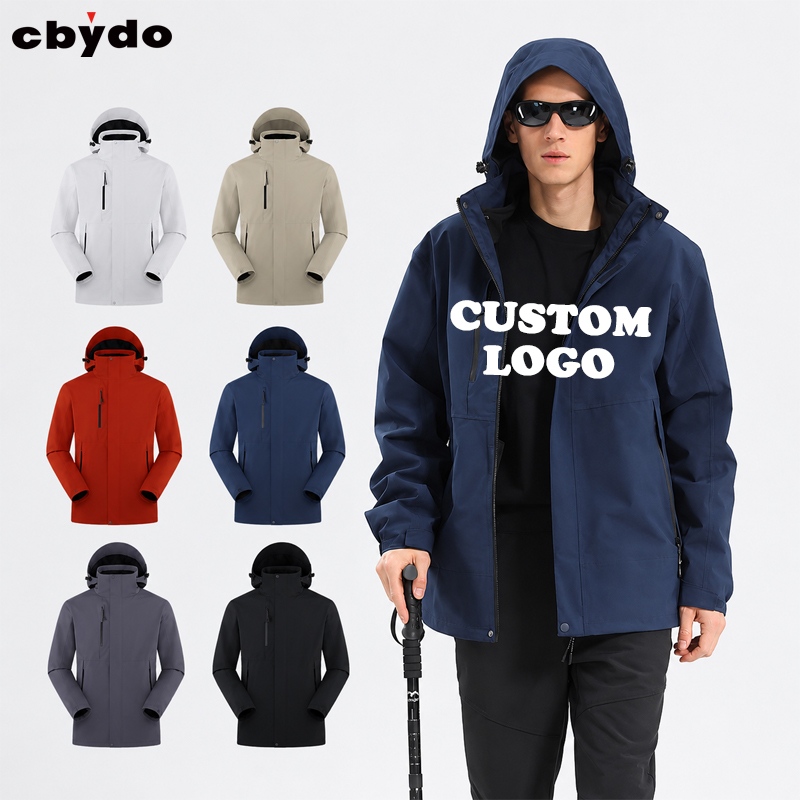
Autumn and winter clothing usually needs a clearer layering plan. Hoodies, sweatshirts, jackets, vests and down jackets each solve a different part of the comfort problem. When selecting custom winter jackets, check the fit over the base and mid-layers the wearer is expected to use.
Cbydo supports stock-based light customization for fast programs and deeper cut-and-sew development when a buyer needs a specific body, fabric or trim package. That range matters when seasonal orders move from one quick event to a repeat collection.
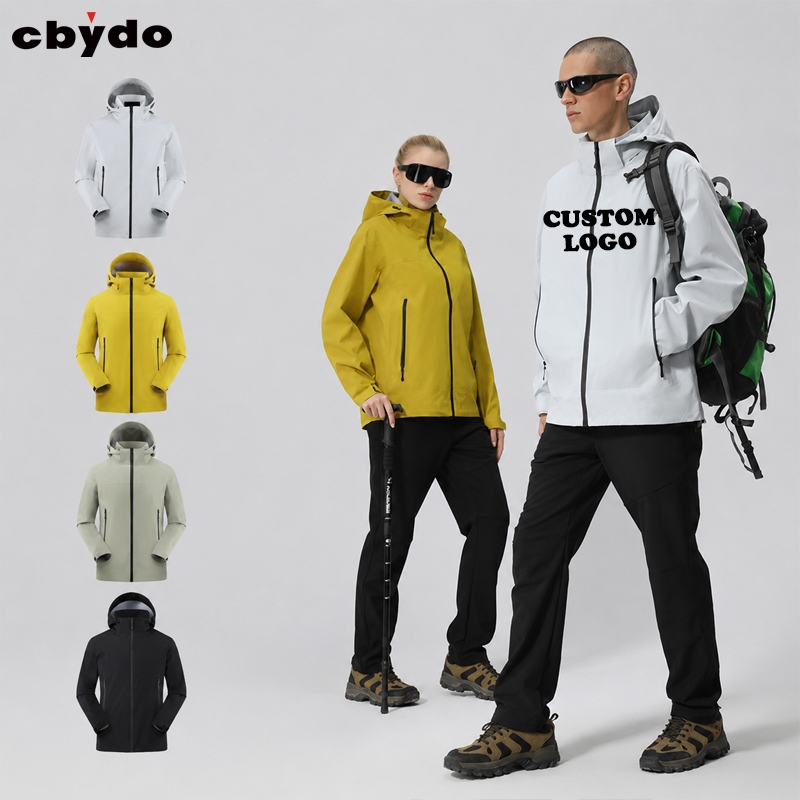
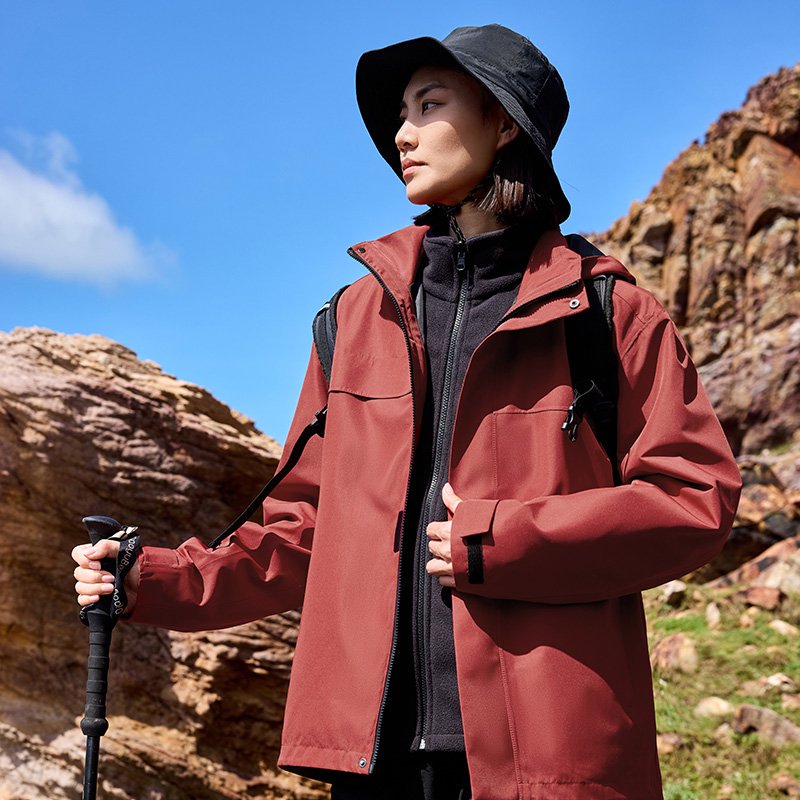
When choosing a custom rain jacket for spring or autumn, buyers should check wind protection, pack volume and the layers worn underneath. A jacket that looks right over a T-shirt may feel tight over a hoodie if the size and sleeve pattern are not checked together. Rain protection should match light, moderate or heavy rain and the expected time outdoors. Cbydo offers woven jacket fabrics with waterproof indices of 2,000–10,000, depending on the specification. For light rain applications, we provide fabrics with durable water repellent surface treatment. For heavy rain projects, we offer fabrics rated at 10,000 mmH₂O, equipped with waterproof zippers and fully sealed garment seams.
Cool-season garments also need a packing decision earlier than buyers expect. Heavy hoodies and jackets take more carton space, so the distribution plan can affect the final approval.
What the buyer should record
The approval record should keep practical choices together so the next sample or repeat order does not restart from memory.
A compact planning checklist
- Target climate
- Wearer activity
- Fabric weight
- Decoration method
- Packing and reorder plan
Decoration has a seasonal side
Printing and embroidery should be reviewed with the season in mind. A large print may feel acceptable on a winter hoodie but too heavy on a summer T-shirt.
Embroidery can add structure and value, yet it also adds density. For warm-weather polos, a smaller chest mark may be more comfortable than a large stitched area.
Labels, tags and packaging also change the seasonal feel. A retail hang tag can work for a brand collection, while a team uniform may need simpler packing for quick distribution.
Color planning should follow the same logic. Pale summer colors may need more careful opacity control for printing, while dark winter garments may need stronger contrast around small logos.
A seasonal range also benefits from one shared brand rule. The logo size, label style or packaging language can stay consistent even when the fabric and garment type change.
A sample should be tested like the season it serves
A seasonal sample should be tried over the clothing the wearer will actually use with it. This is especially important for jackets, hoodies and uniforms issued to teams.
The review should include movement, washing and packing. A fabric may feel good in a swatch but behave differently after folding, printing or repeated wear.
For repeat programs, keep one approved reference sample for each season. It gives the buyer, supplier and quality team the same standard when the next order starts.
Buyers should also note how the garment will be distributed. A summer event may need quick size sorting, while a winter program may need stronger cartons because each piece takes more space.
The final decision should leave room for replenishment. If the garment will return next season, record the fabric, color reference, trim choices and decoration method before the first order closes.
This record is also useful when the range expands. A buyer may start with T-shirts and polos, then add hoodies or jackets later, so the seasonal logic should be easy to repeat.
The practical takeaway
Seasonal custom clothing is not only a question of fabric weight. The best plan connects climate, activity, garment type, logo method and distribution so each piece feels right in the season it is meant to serve.
When your seasonal range, artwork and order plan are ready, contact us to review the right customization route for each garment type.
FAQ
What fabric works best for summer custom clothing?
Light cotton, cotton blends and breathable polyester blends can all work. The final choice depends on activity, logo method and the expected wearing time.
Are hoodies suitable for spring or autumn programs?
Yes. Midweight hoodies can work well for spring and autumn when the fabric weight, fit and decoration method are planned for layering.
How should buyers choose custom jackets for winter?
They should confirm wind, rain, warmth and layering needs before approving the sample. Jacket fit should be tested over the clothing worn underneath. For rainy conditions, specify light, moderate or heavy rain and confirm the fabric rating and seam sealing.
Can one design work across several seasons?
One visual system can work, but the fabric and garment type often need seasonal adjustment. A logo package can stay consistent while the base garment changes.
What should be recorded before repeat orders?
Keep the approved fabric, weight, color, logo placement, size range, labels and packing method. That record protects consistency when the order returns.