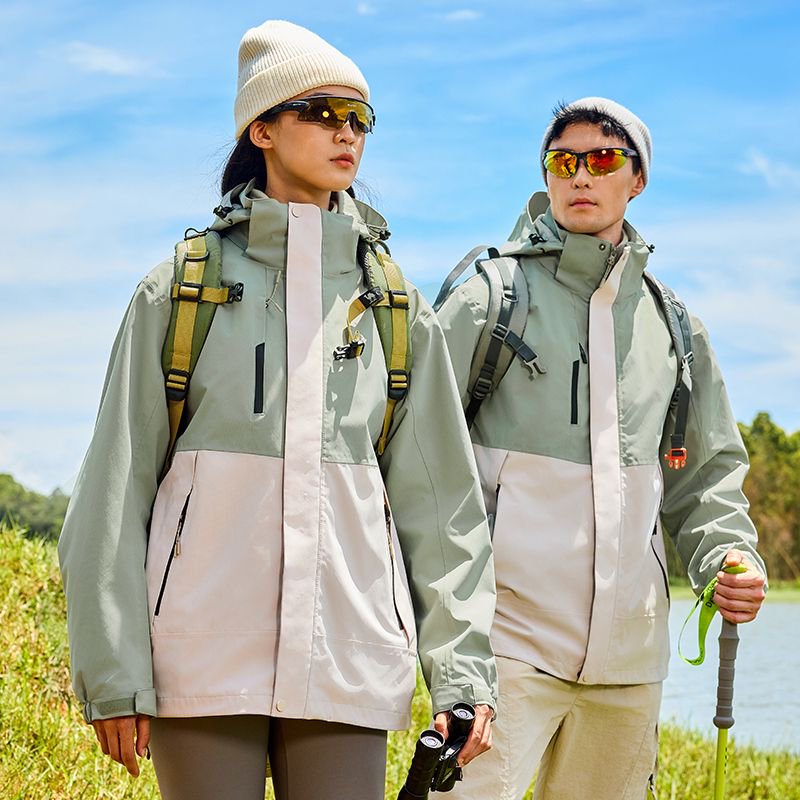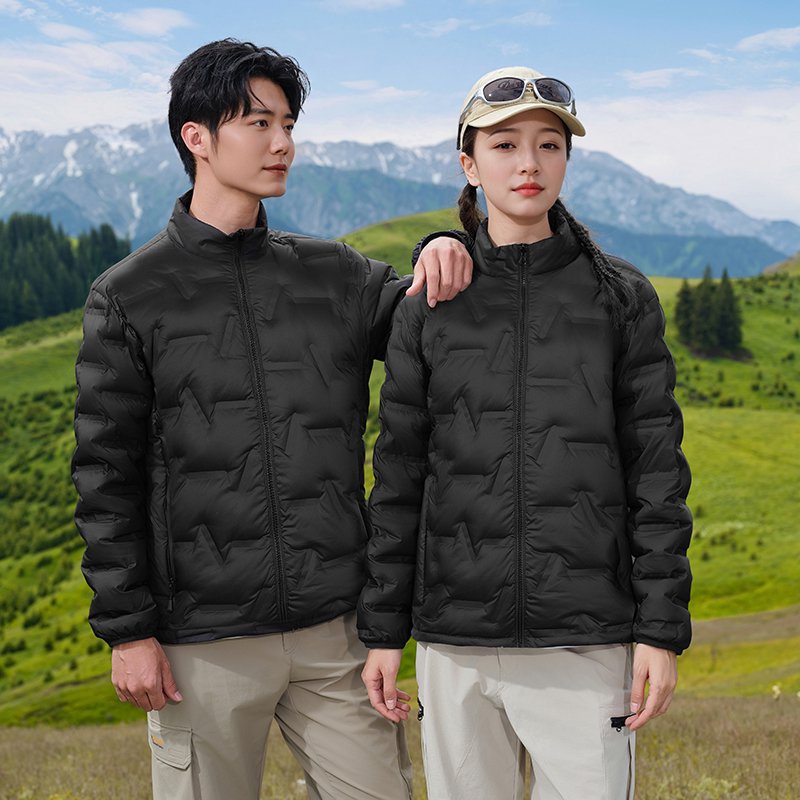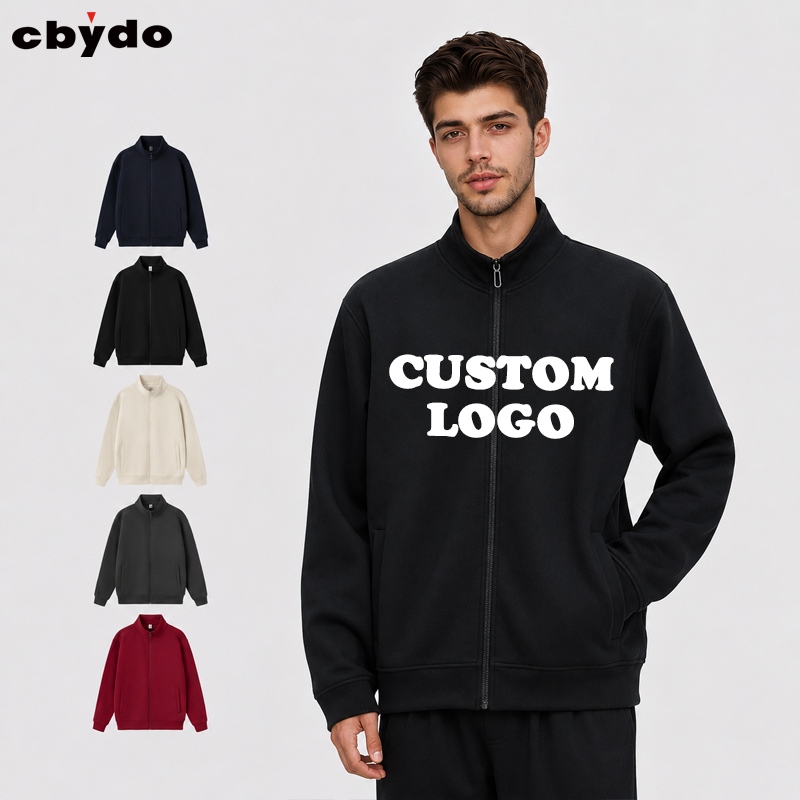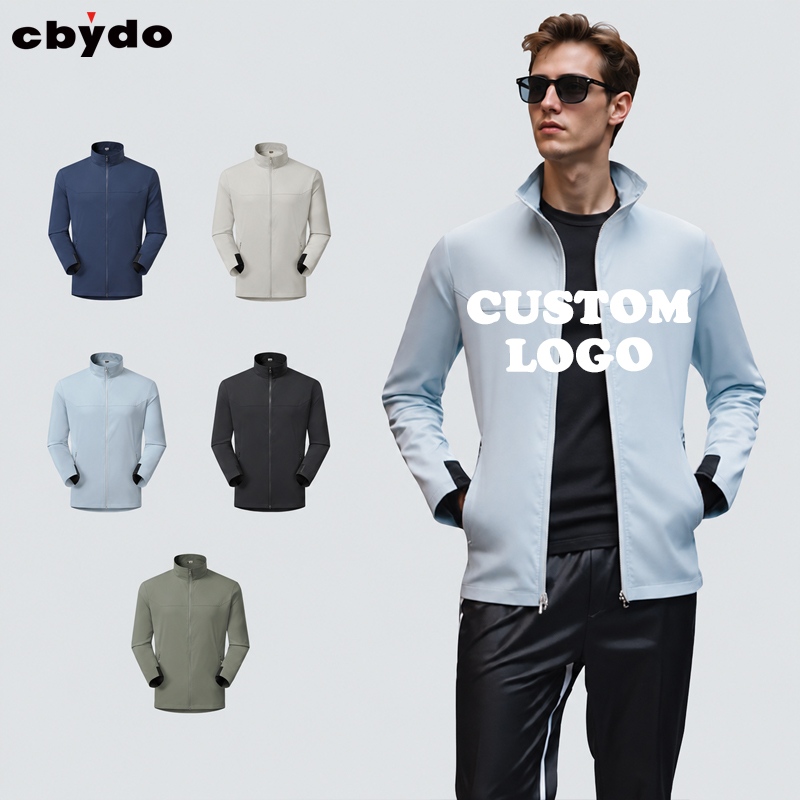
Why Global Brands Still Source From Cotton Custom Hoodie Suppliers Over Techwear?
-
 author
- 9th April 2026

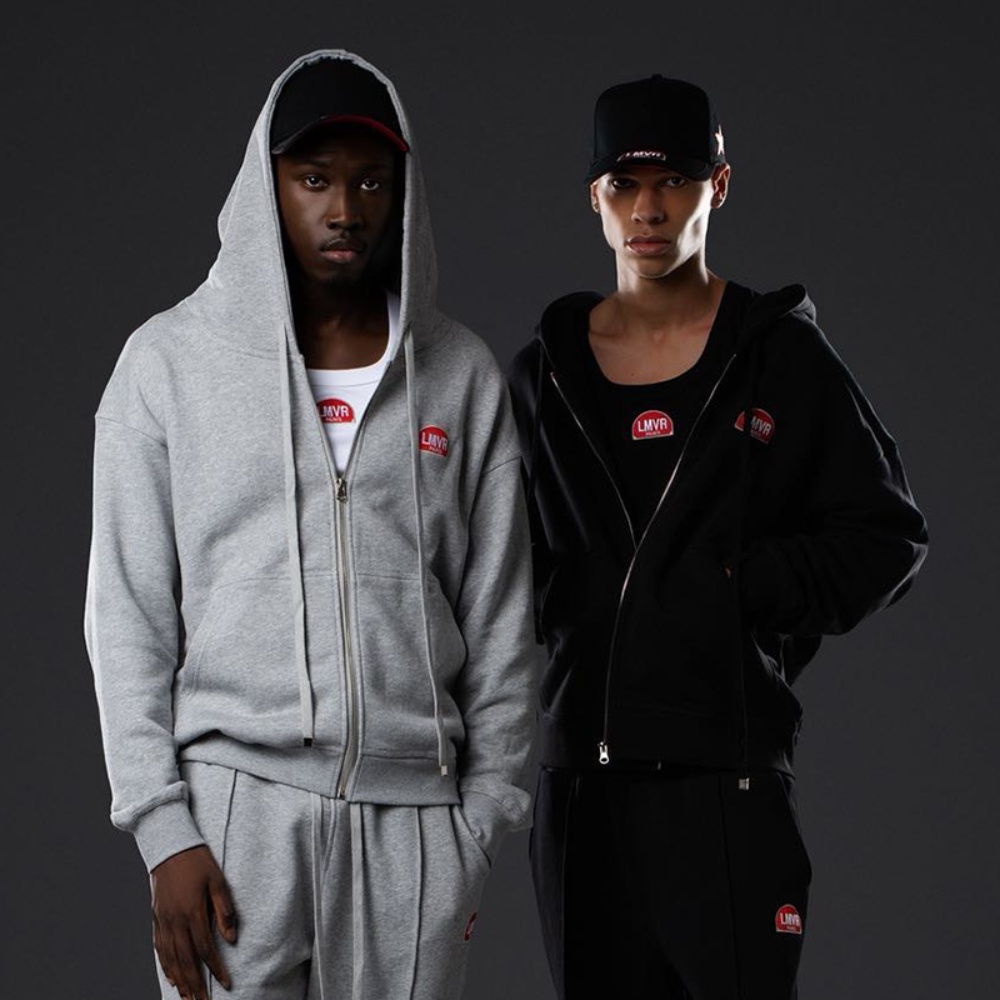
In the fast-changing world of today’s clothing, the growth of techwear—with its man-made high-performance materials, practical designs, and water-proof layers—made several experts think that old-school natural materials would fade away. Yet, real market facts show something else. Well-known fashion companies, upscale streetwear newcomers, and big business leaders keep choosing cotton options from trusted cotton hoodie manufacturers. This choice stems not only from old habits but also from smart thinking based on ease, better options for personalization, and the changing needs of informed buyers.
For any expanding custom hoodies business, grasping this key preference is vital. Although techwear offers targeted functionality, the hooded custom garment remains the top pick for everyday use and showcasing a brand.
Why natural breathability triumphs over synthetic engineering
The main reason big brands stick with cotton lies in the built-in body benefits of natural materials. Techwear commonly uses glued polymers or closely woven man-made fabrics to block wind. Such methods work well in tough conditions, but these fabrics often have trouble managing body heat when moving from inside to outside spaces.
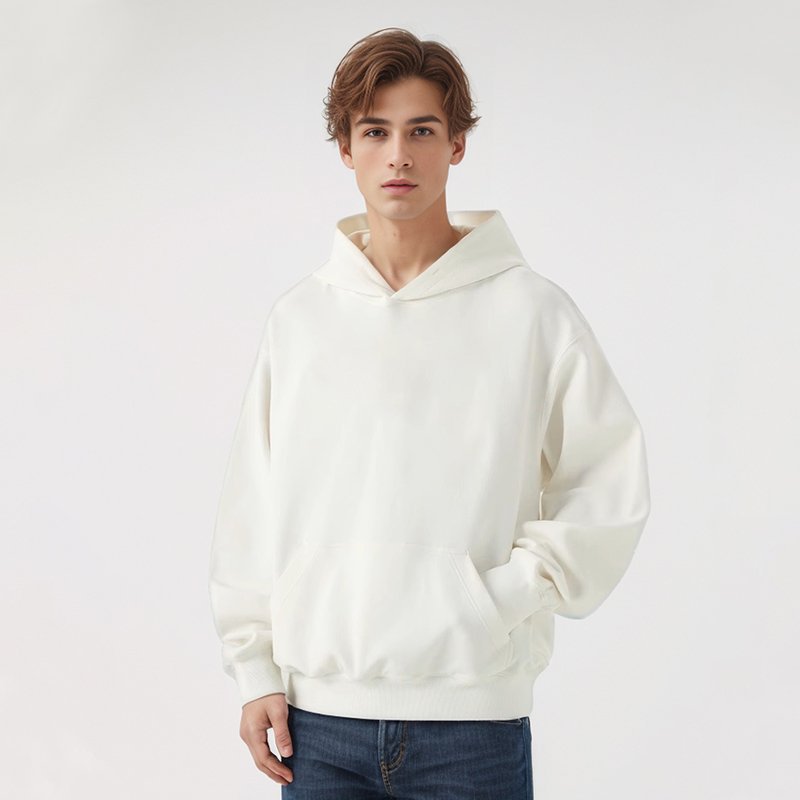
Cotton threads have a special empty core that lets air flow naturally. This quality keeps the person wearing it at ease, without the stiff “plastic” sensation linked to basic or average techwear. For custom hoodies business aiming to hold onto customers well, the way the material feels against the skin matters most.
| Fabric Type | Composition | Weight (GSM) | Best Use Case | Texture/Feel |
| Premium French Terry | 100% Cotton | 300-400 | Luxury Streetwear | Smooth face, looped back |
| Heavyweight Fleece | 80% Cotton / 20% Poly | 400-500 | High-end Winter Wear | Soft, brushed interior |
| CVC Jersey | 60% Cotton / 40% Poly | 200-280 | Light Spring Hoodies | Breathable, pill-resistant |
| Silver Fox Fleece | Cotton Blend Compound | 350-450 | Extreme Warmth | Ultra-soft, high-density fur |
What makes cotton the superior canvas for complex customization
Techwear materials, especially those with DWR (Durable Water Repellent) treatments, prove hard to work with for designs. The chemical layers meant to push away water also push away printing inks and heat-based glues. On the other hand, cotton-based custom hoodie suppliers give a flexible base that takes in colors deeply and handles strong-pressure stitching well.
In carrying out a hooded custom project, the variety of creative methods possible on cotton far exceeds those of other materials. For instance, brands can use several artistic approaches that fit perfectly with this fabric.
- 3D Chenille Embroidery: Perfect for school-spirit style logos, it gives a dense, rug-like feel that man-made techwear cannot hold up without wrinkling.
- Puff Printing: This type of ink grows under warmth, making a raised effect that needs the steady heat-handling of cotton.
- Vintage Acid Washing: Cotton threads respond well to chemical treatments, so brands can make “worn-out”or “faded” looks that cannot happen on man-made tech fibers.
- Intricate Screen Printing: Fine mesh sizes allow for photo-like details on even cotton areas, keeping the brand’s mark sharp after many washes.
How flexible supply chains outperform rigid techwear manufacturing
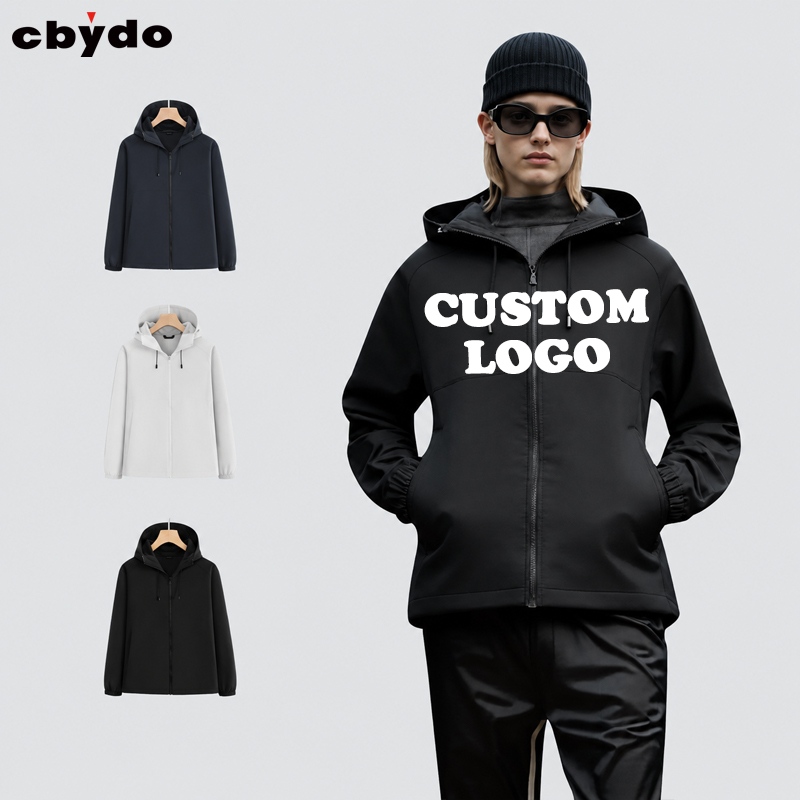
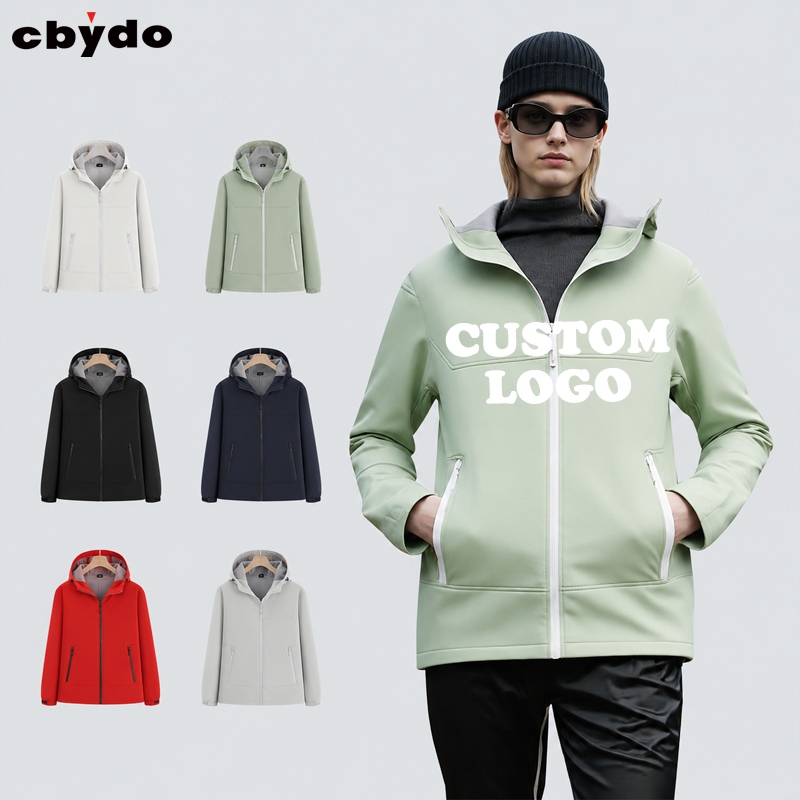
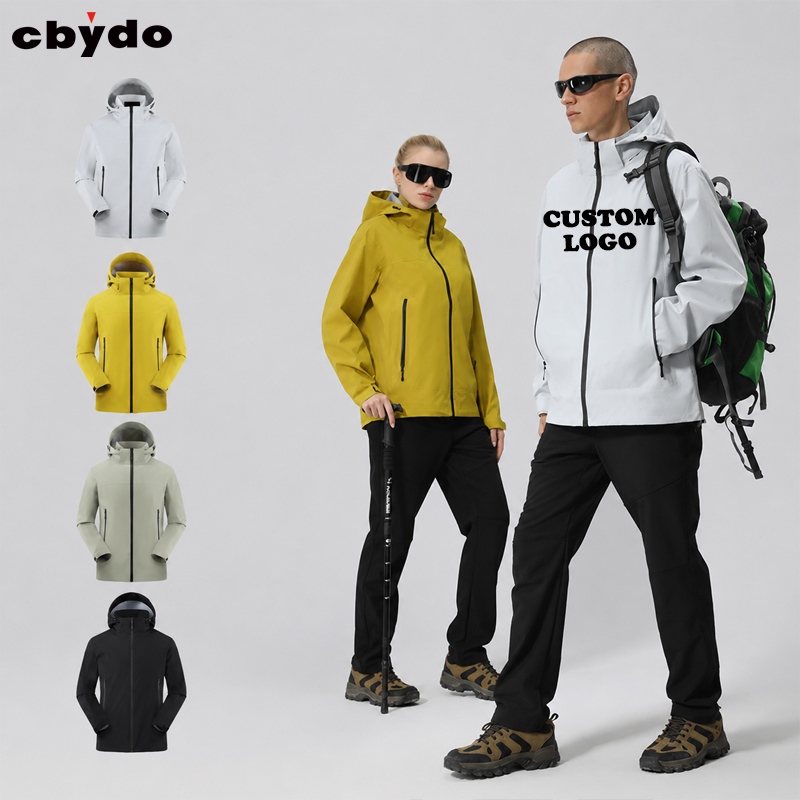
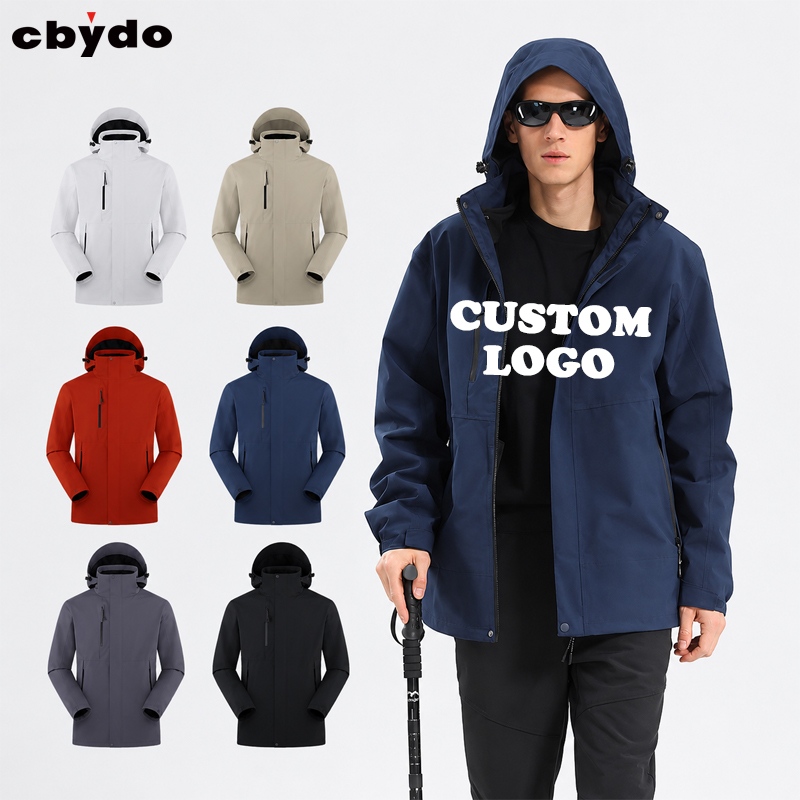
Making techwear usually calls for special sound-wave joining tools and light-based cutters. As a result, this brings high minimum order quantities (MOQs) and drawn-out wait times. Major brands often see this stiffness as a block to quick market changes. Top custom hoodie suppliers like cbydo have changed this with a two-way production setup.
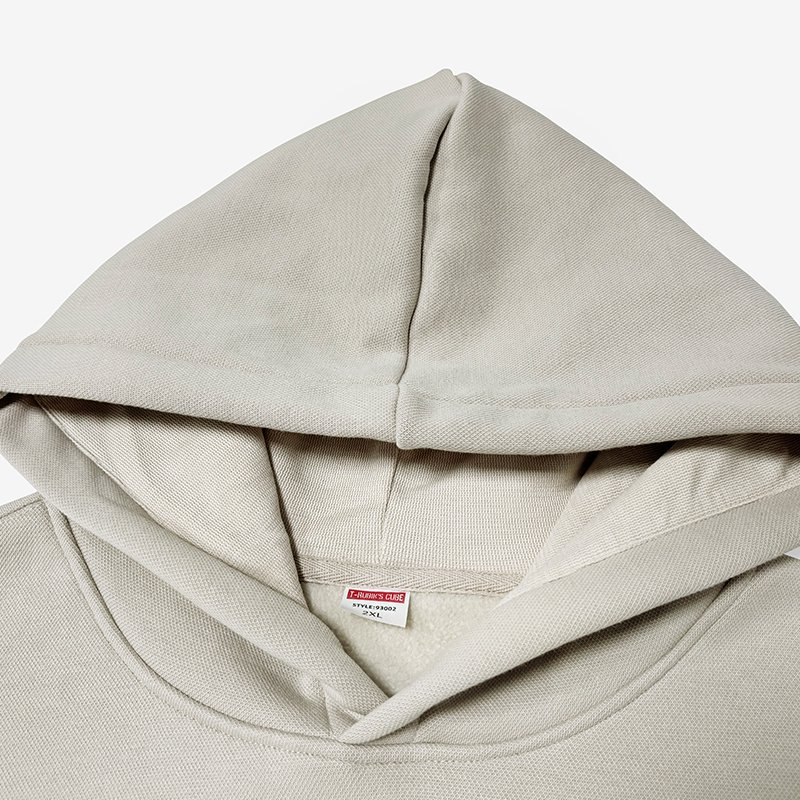
These suppliers keep a huge stock of more than 300,000 pre-made items in different thicknesses and shades. Therefore, a custom hoodie business can try out market ideas with MOQs as few as 30 items. This “Light Customization” approach allows a quick 3–5 day finish. When it comes to more detailed “Deep Customization” (Cut & Sew) work, the blend of 29 years of production know-how makes sure that even custom shapes arrive in 15 days. Such a mix of quickness and accuracy remains beyond what the tricky techwear supply lines can do.
Why sustainability and ethical certification define modern sourcing
By 2026, the idea of “performance” has moved from “what the material does” to “how the material got made.” Techwear relies mostly on oil-based man-made materials, which add to tiny plastic waste in the environment. Cotton, particularly from checked sources, gives a break-down friendly and regrowable choice that fits with worldwide ESG (Environmental, Social, and Governance) rules.
Trusted custom hoodie suppliers now supply the needed papers to pass global checks. They ensure everything meets standards for care and the planet.
- SEDEX & ISO Certification: This confirms that each hooded custom garment comes from a place that honors worker rights and planet safety.
- OEKO-TEX Standard 100: It promises that the materials lack bad chemicals, which is key for brands sold in the EU and North American areas.
- GOTS Organic Cotton: This gives a clear path from the field to the ready hoodie, serving the high-end green-aware group.
How rigorous quality control protects the brand vision
A usual worry in the custom hoodie business involves differences in quality between the okayed test item and the large batch run. Factories focused on tech often put the “features” of the item ahead of its basic build strength. Leading suppliers cut this risk with a careful check system.
Their checklist includes several key points. This setup helps keep standards high throughout.
- Fabric Inspection: They test for color hold, shrink levels, and fuzz resistance before any cutting starts.
- In-Line Quality Control: A full team of checkers (usually 16 or more in top spots) watches the sewing areas to make sure stitch tightness and join strength hit worldwide marks.
- Final OQC (Outgoing Quality Control): They look over every finished piece to confirm that zipper work, cord balance, and design spots are perfect.
Conclusion
The lasting lead of cotton custom hoodie suppliers in the world market shows the material’s unmatched flexibility and the production field’s skill at new ideas. While techwear fills a small, useful role, the warm and body-friendly feel of a top cotton hoodie keeps it as the go-to for people everywhere. By teaming with skilled makers who give easy MOQs, fair checks, and fresh design methods, companies can create a lasting and money-making clothing range that holds up over years.
FAQ
Q: Why should I choose a manufacturer with decades of experience over a new factory?
A: Makers with long histories, such as cbydo, offer close to 30 years of hands-on skills. This means far fewer mistakes in fit, shade matching, and material strength. Plus, their steady ties to thread producers help lock in reliable costs and better starting materials, unlike fresh setups that lack proof.
Q: What is the minimum order quantity for a fully custom hoodie?
A: In a solid custom hoodie business, MOQs change depending on how much personalization you need. For tweaks on ready stock, you can begin with just 30 pieces. But for complete “Cut & Sew” deep customization, it often starts at 100 pieces per design and shade. This setup lets you add special shapes and exact material thicknesses.
Q: How long does the shipping and production process take for international orders?
A: When using ready stock, making takes about 3–5 days in most cases. For detailed hooded custom orders that include special color work or prints, the making time stretches to 8–15 days. Then, air shipping adds another 5–7 days to reach you. For large loads by sea, it might take 20–30 days based on where it’s going.
Q: Can custom hoodie suppliers handle eco-friendly packaging?
A: Absolutely, solid suppliers provide several green packaging choices. These include bags that break down naturally, boxes from reused paper, and tags printed with plant-based inks. All this helps companies lower their overall effect on the environment.
Q: What happens if the final products do not match the approved sample?
A: Good suppliers back their work with a post-sale promise. If the items show quality problems or fail to fit the agreed details, the maker must remake them or work out a fair payback. This way, your spending stays safe and secure.