What Is Custom Apparel Printing? Methods and Options
-
 автор
автор
- 20th Август 2026

The short answer
Custom apparel printing means putting artwork on clothing. The phrase does not identify one universal finish. Check the garment underneath and the method used to create the artwork; two items with the same logo can then be compared honestly.

Custom apparel printing means adding a design to clothing. The design may be a logo, illustration, lettering or repeated graphic. It can be printed, transferred with heat, or stitched. The shirt, hoodie or jacket is the base; the image on it is the decoration.
That sounds simple until two garments carry the same artwork in different ways. A soft digital image printed into a T-shirt does not look or feel like a film transfer. A stitched chest logo is different again. The artwork may be identical, but the finished decoration is not.
What belongs to a custom apparel project?
Start by naming the blank garment. Its fabric, weight, color, fit and size range set the surface you will work on. A T-shirt, hoodie, jacket or vest is more than a carrier for a logo. Then name the decoration: ink, transfer, embroidery, or a combination.
Labels, hang tags, packaging and wash effects sit beside those two decisions. They may matter to the order, but they do not explain the main logo.
The main methods
Трафаретная печать
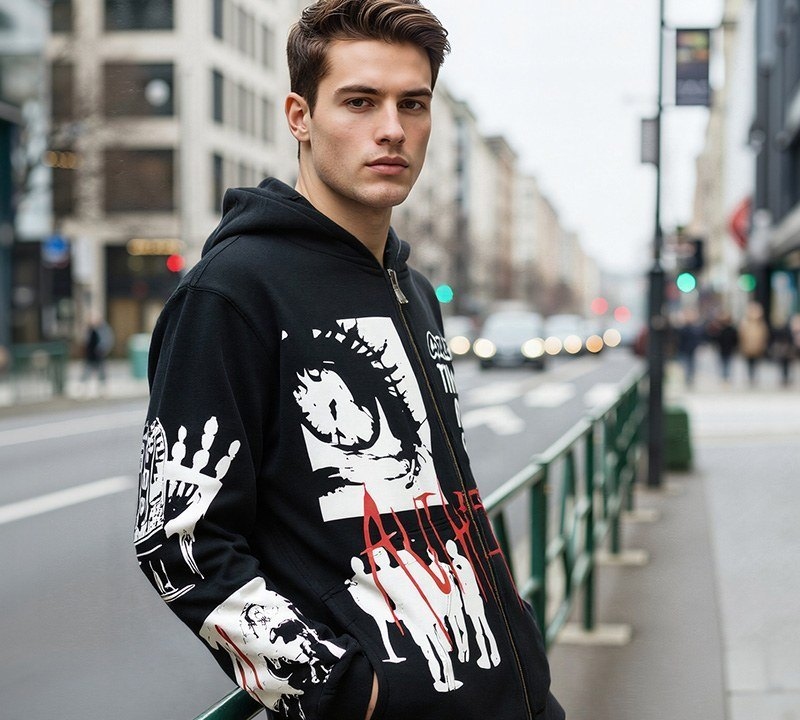
In screen printing, a stencil sits on a mesh screen. The printer pulls ink across it; ink reaches the garment only through the open areas. Add another color and you normally add another screen. That is why the color separations and the alignment between colors deserve attention.
The result is an ink layer. Screen printing suits spot colors and artwork prepared in separate color plates. Before approving a large front or back logo on a 250g T-shirt, check the artwork at its actual print size; more colors, a larger image or a different fabric changes the setup.
Direct-to-garment printing (DTG)
DTG is closer to using a paper printer than to making a screen. A platen holds the garment while water-based ink is placed directly on the cloth. Photos and gradients are possible because the design stays digital instead of being broken into one screen per shade.
The file is only one input. On a fitted siro cotton T-shirt, the logo still has to be checked on the actual fabric and panel rather than judged only on screen. Garment composition and pretreatment affect color strength and fine detail; preparation for cotton may not suit polyester or a blend.
Direct-to-film printing (DTF)
DTF takes a short detour through PET film. The image is printed there, adhesive is added, and heat and pressure press the finished transfer onto the garment. The cloth receives a complete layer; the ink is not put straight into the fibers.
Fine detail and gradients are possible without screen separation. The transfer remains on the surface, so a large graphic can feel heavier than a small one. Specialty colors depend on the transfer materials.
Термотрансферная печать
Heat transfer is the umbrella term for attaching a design with heat and pressure. The carrier can be cut vinyl or printed transfer material. Cut vinyl is suited to solid shapes and selected finishes; a printed carrier can hold a more complicated picture.
DTF belongs inside this category, but “DTF” and “heat transfer” do not mean exactly the same thing. Any large heat-applied graphic adds another layer, and that extra layer is easier to feel on light fabric.
Вышивка
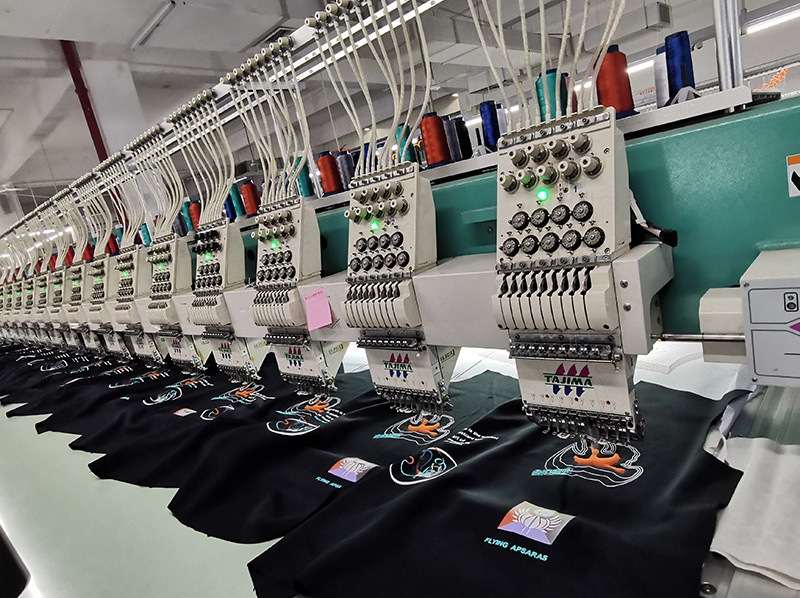
Embroidery draws with thread, not ink. The needle builds lines, fills and raised areas in the fabric, so the finished mark has a stitched texture. Flat, 3D, towel and rope embroidery describe different versions of that texture.
The cloth must stay steady while the needle moves. Hooping, stabilizer, thread, needle choice and tension affect puckering and edge quality. Tiny lettering or intricate art may need simplifying before stitching.
Quick comparison
| Method | Surface result | Where it can make sense | Main point to check |
| Трафаретная печать | A printed ink layer | Spot colors and prepared separations | Extra colors require extra setup and accurate registration |
| DTG | Ink placed directly on the textile | Gradients, photos and fine digital detail | Fabric and pretreatment change the appearance |
| DTF | A full-color adhesive-backed layer | Detailed artwork without screen separation | Large areas may feel heavier on the garment |
| Heat transfer vinyl | Cut or printed material fixed with heat | Solid graphics and selected finishes | Carrier, pressure and garment must be compatible |
| Вышивка | Raised or textured thread | Logos meant to look stitched | Fabric stability and detail size control clarity |
Why the same logo changes from one garment to another
A logo is always viewed in proportion to the garment panel beneath it. The same artwork can look compact on an oversized cotton tee and much more dominant on a narrower body. That does not change the printing method; it changes the visual scale of the finished logo.
Fit, size and seams also limit where the decoration can sit. A chest logo should be checked against the actual sample size, while a wide back graphic must stay clear of collars, armholes and construction seams. This is why artwork approval should show the logo on the selected garment, not as a separate image file alone.
Часто задаваемые вопросы
Is embroidery custom apparel printing?
People often group them together as custom apparel decoration. Technically, embroidery is stitched thread, while printing uses ink or a transferred material.
What is the difference between DTG and DTF?
DTG puts ink directly on the garment. DTF prints the image on film first and then presses that film-based transfer onto the garment.
What garments can be customized?
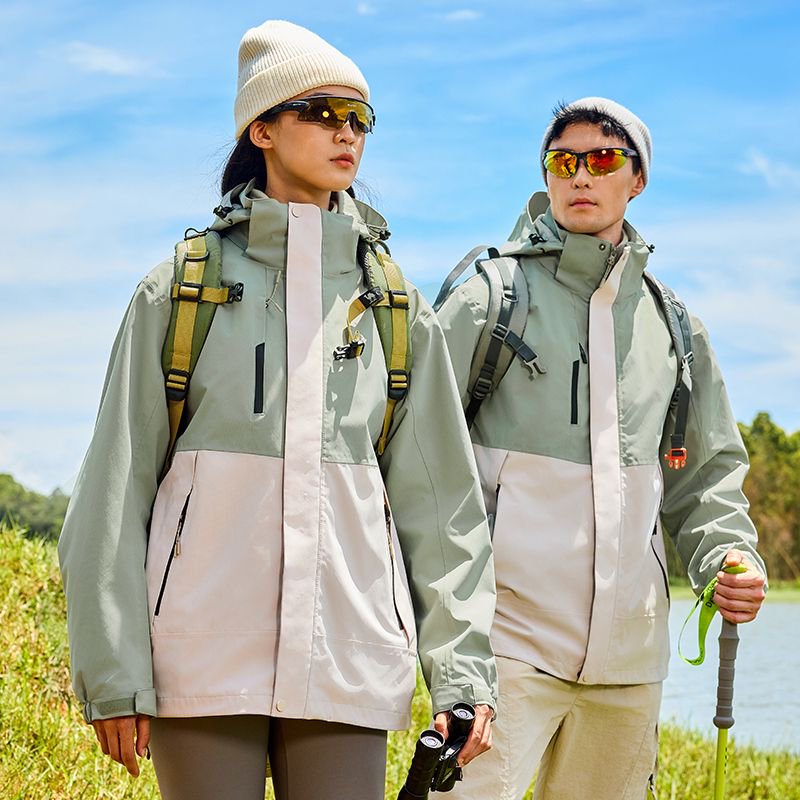
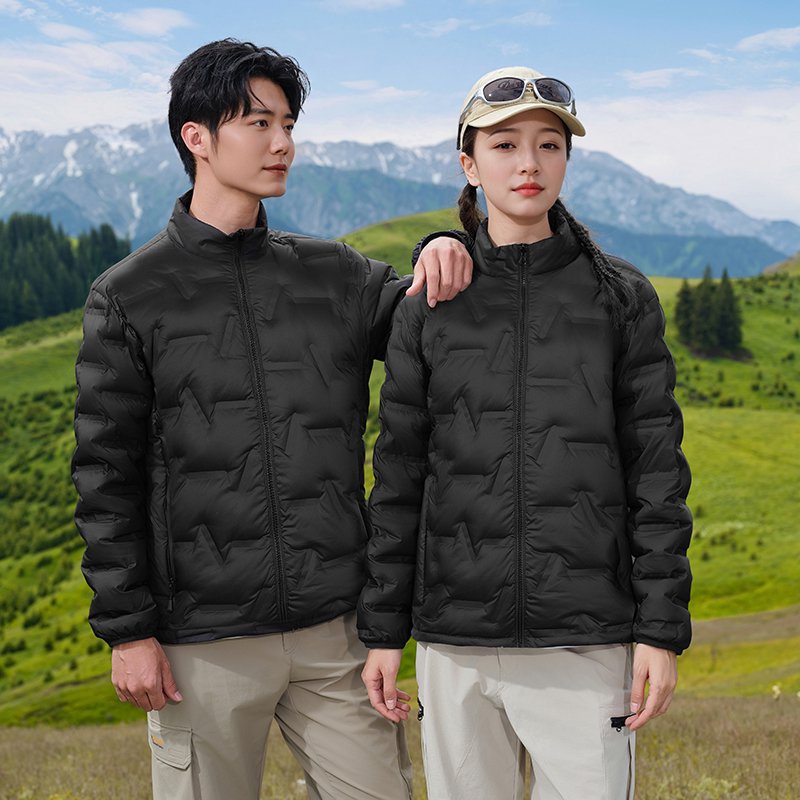
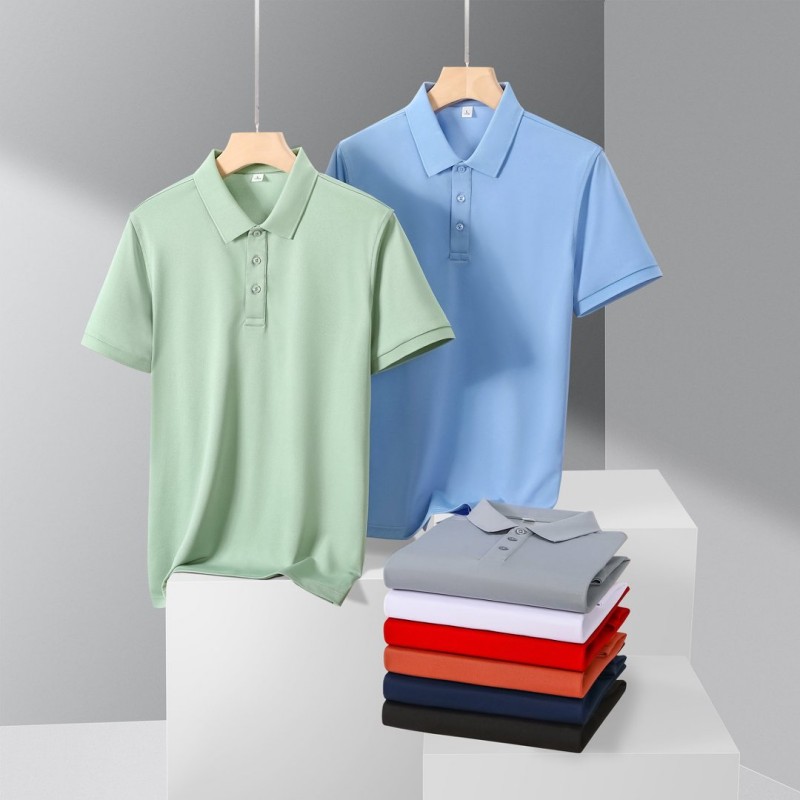
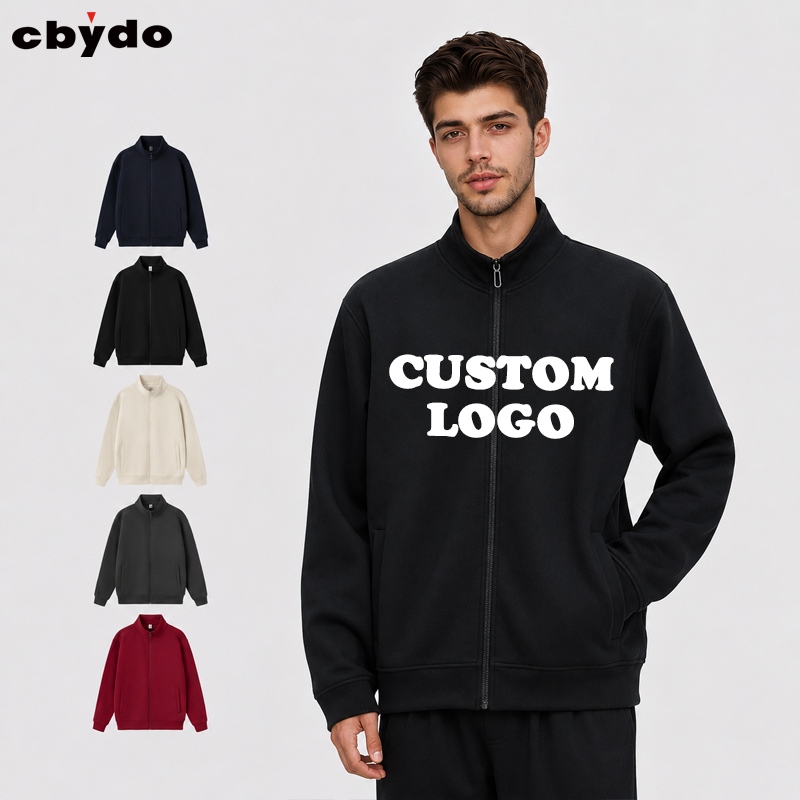
Common categories include T-shirts, polos, hoodies, jackets, vests and down jackets. The available decoration depends on the selected garment and its construction.