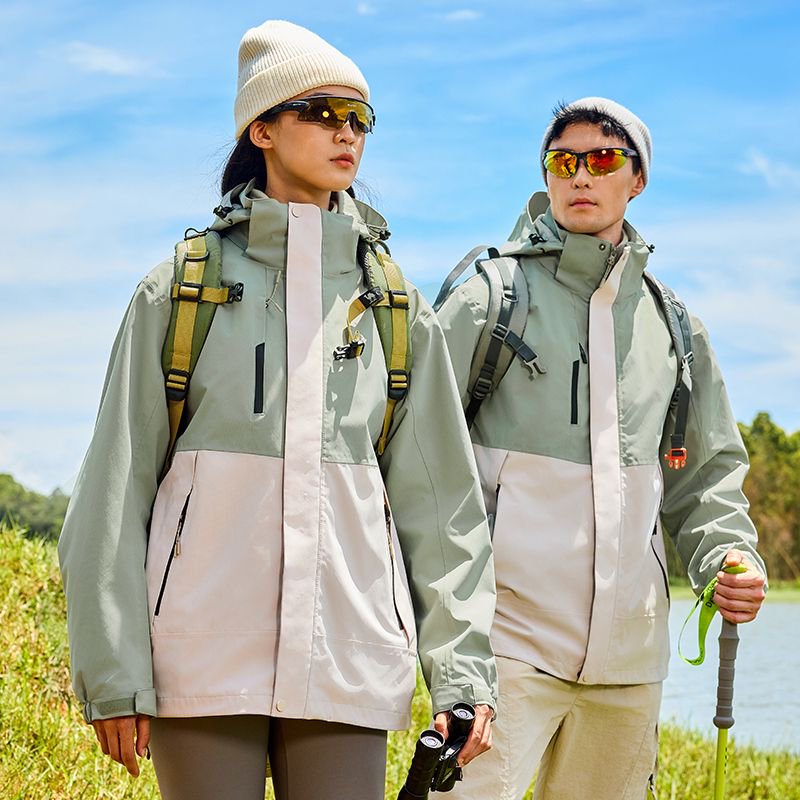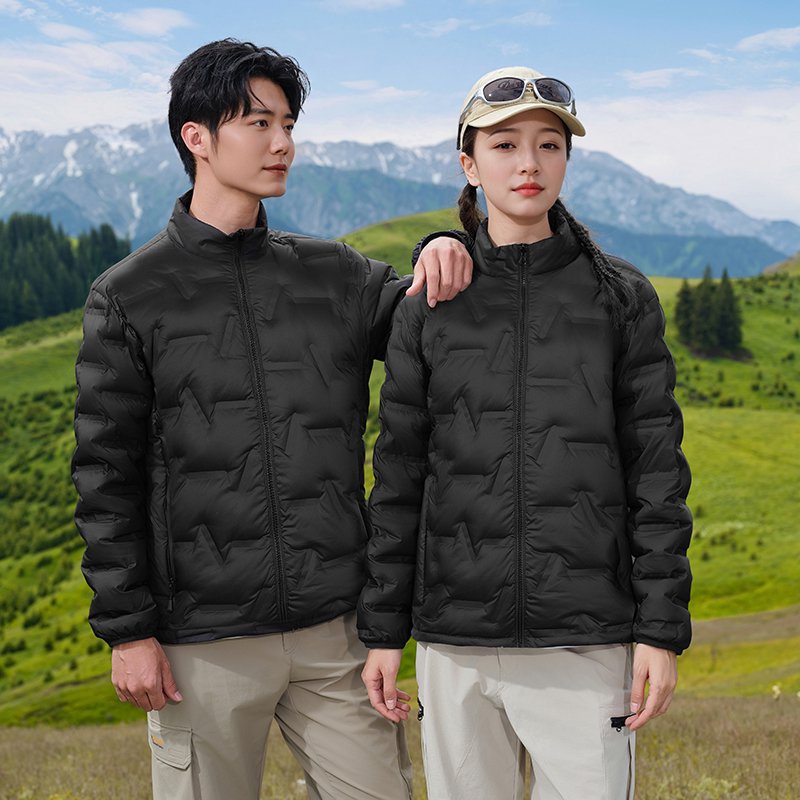
Light vs Full Custom Jackets: A Brand Buyer’s Guide
-
 ผู้เขียน
- 28th สิงหาคม 2026


A jacket order can look simple until branding, fit, fabric, and delivery expectations begin pulling in different directions. For brand buyers, the first decision is not color or logo placement; it is the production route. Light customization adapts an existing garment, while full customization builds a jacket around a new specification. The right route protects launch timing, inventory, and brand consistency.
Two Production Routes Solve Different Brand Problems
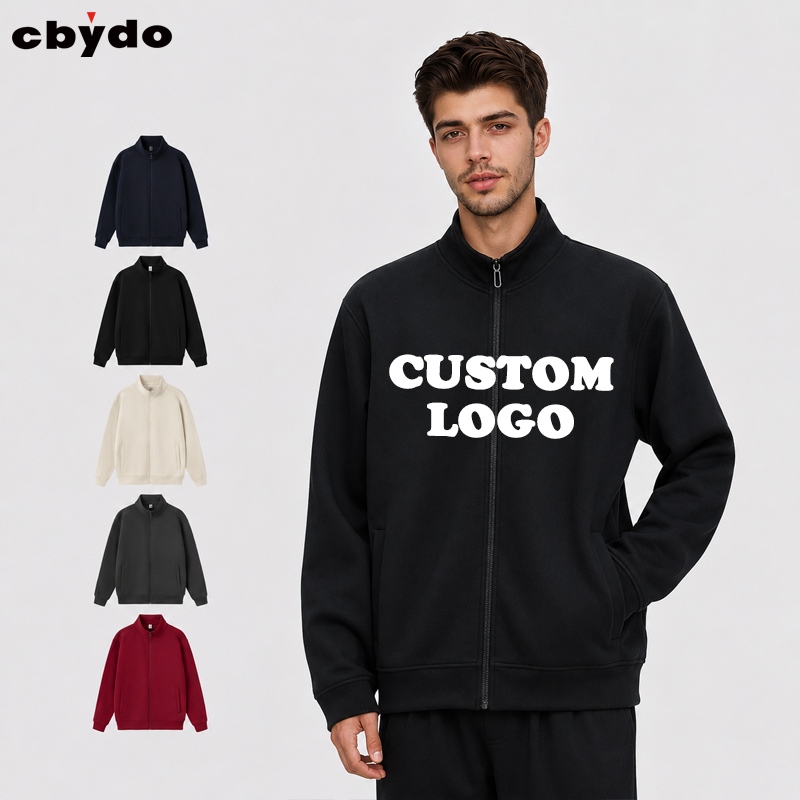
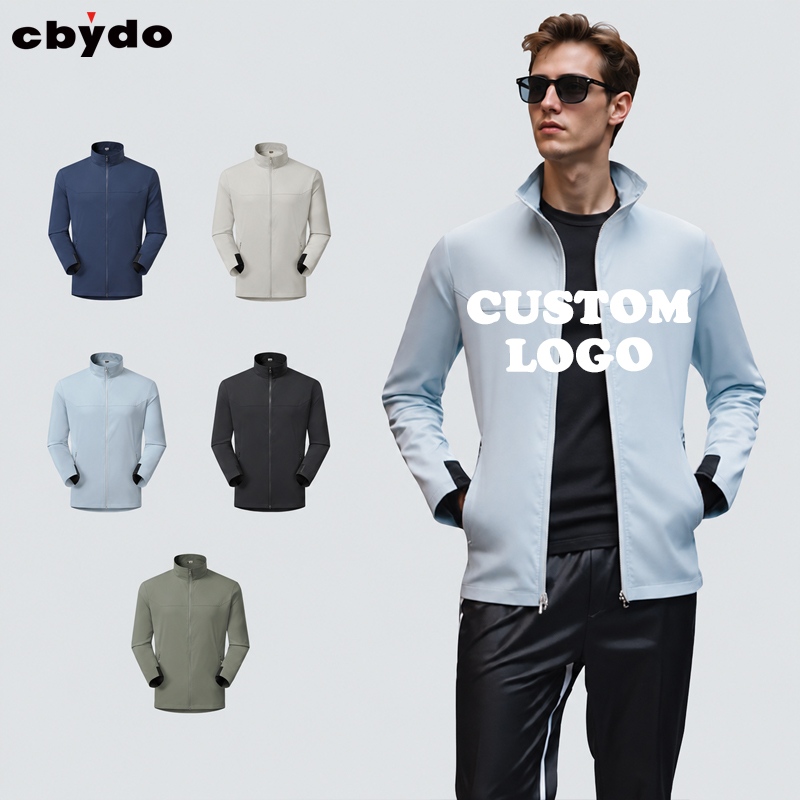
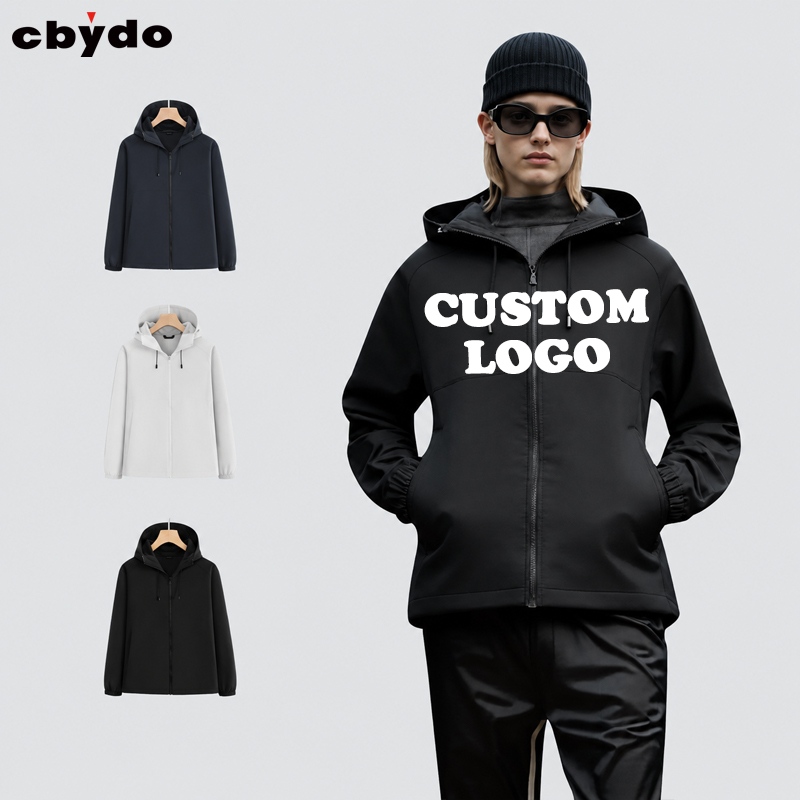
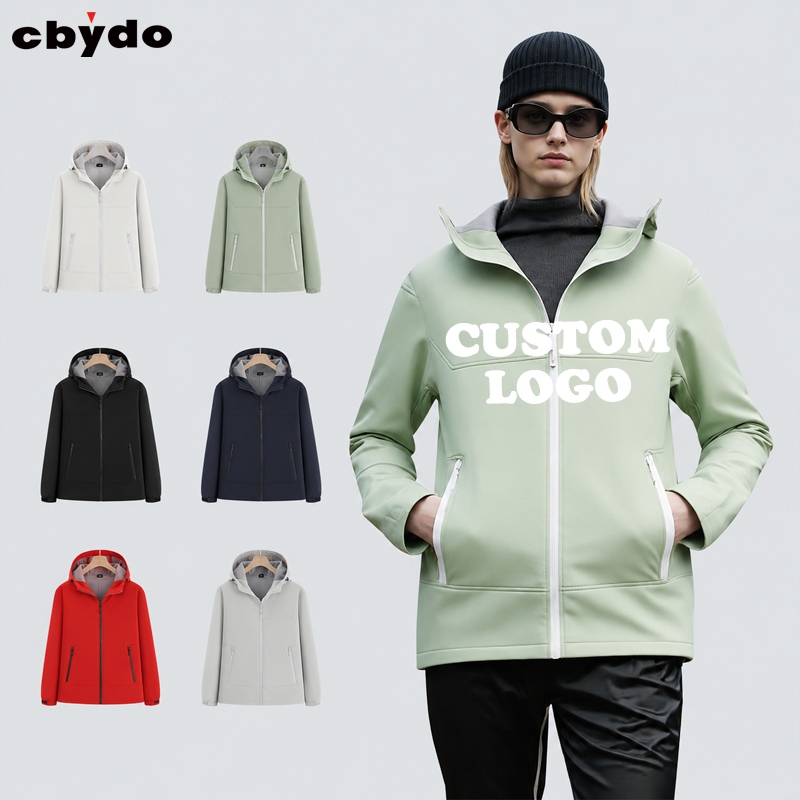
Light customization uses ready-made garments as the base and adds brand elements such as printing, embroidery, labels, or packaging. It suits teams that need a controlled test run, a repeatable uniform, or a quick campaign without developing a new pattern. CBYDO supports this route from 30 pieces, making it practical when demand is still being validated.
Full customization changes the garment itself. Fabric, measurements, pattern, construction, trims, and branding can be developed together for a distinctive result. CBYDO supports fully customized orders from 100 pieces per style and color.
Light customization keeps the base garment fixed
Light customization reduces development variables. Buyers select an available jacket, confirm sizes and colors, then apply approved branding. Fabric sourcing, pattern development, and most construction decisions have already been resolved.
Full customization turns the brief into a garment
Full customization gives the brand control over fit, functional details, color blocking, pockets, lining, zipper, labels, and packaging. That control matters when a signature design or application cannot be served by a stock style.
| Decision factor | การปรับแต่งแสง | Full customization |
| Starting point | Ready-made jacket | Brand specification |
| CBYDO MOQ | 30 pieces | 100 pieces per style/color |
| Main control | Logo, labels, packaging | Fabric, fit, construction, trims, branding |
| Best fit | Tests, teams, events, fast replenishment | Private-label collections, signature products |
Order Risk Depends on What Remains Uncertain
A project for เสื้อแจ็คเก็ตสั่งทำพิเศษ becomes easier when the buyer lists every unresolved variable. If the available shell, fit, color, and size range already work, rebuilding them adds cost and approval steps without adding customer value. Light customization is often the cleaner choice.
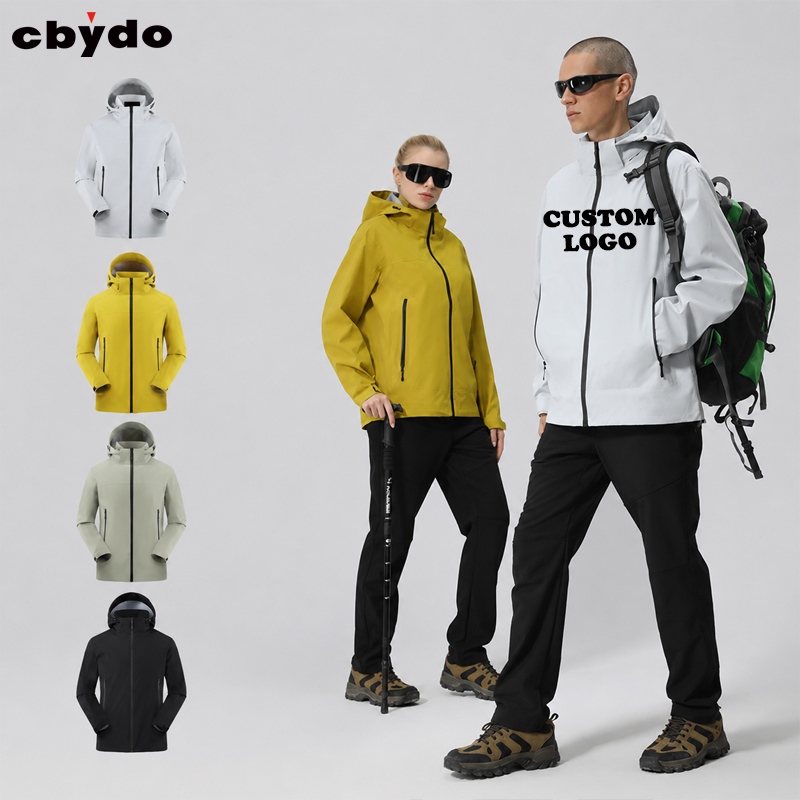
Full customization earns its place when unresolved variables define the product promise. A waterproof shell, detachable liner, oversized fit, branded hardware, or unusual panels cannot be treated as decoration. They need coordinated sampling because one change may affect seams, comfort, logo placement, or assembly.
A practical route-selection checklist
*Use light customization when an existing jacket already meets the required fit and function.
*Use full customization when fabric, pattern, structure, or hardware defines the product’s value.
*Confirm whether the MOQ applies per order, style, color, or decoration before approving quantities.
*Treat a physical sample as the reference for fit, construction, branding scale, and finish.
Brand Details Must Match the Production Route
A capable custom jacket manufacturer should connect decoration to the garment rather than treating the logo as an isolated artwork file. CBYDO offers screen printing, heat transfer, DTG, puff print, flocking, hot stamping, high-frequency printing, flat embroidery, 3D embroidery, towel embroidery, and rope embroidery across its apparel programs. The suitable option still depends on the jacket surface and design.
Labels and packaging can strengthen either route without a new jacket pattern. Care labels, woven labels, hang tags, and packaging bags create a consistent retail presentation. Approving them with the garment sample prevents last-minute surprises in wording, placement, color, or packing.
Decoration should be tested on the actual material
Jacket coatings, insulation, seams, and textured panels can change how printing or embroidery behaves. A sample should show the real material, logo size, and placement, turning visual approval into a reference for production inspection.
Timing Changes as Development Depth Increases
Light customization is usually the faster route because the base garment is already available. CBYDO’s project information gives a light-customization lead time of roughly 3–7 days, while deep customization is listed at 15–20 days. Buyers should treat these as production references and confirm the current schedule for the chosen jacket, quantity, decoration, and shipping plan.
Full custom jacket customization needs more approval time. Fabric confirmation, pattern work, sample review, trim selection, and logo testing happen before sewing. A realistic calendar separates development, approval, bulk production, inspection, and transport.
A useful brief reduces avoidable revisions
A strong brief explains the wearer, climate, use case, target fit, fabric preference, size range, colors, functional details, branding methods, labels, packaging, quantity, and required delivery date. Reference images help communicate direction, but measurements and written construction details are what make an approval repeatable.
Quality Approval Should Reflect the Final Product
Quality control is most effective when the approved sample defines what matters. Buyers should review measurements, seam appearance, zipper operation, pocket position, logo scale, color, label placement, and packing presentation. CBYDO uses a 16-member inspection team and checks garments from fabric and semi-finished stages through finished products, supporting control beyond a final visual check.
The approval standard should also match the chosen route. Light-customized orders mainly require verification that the selected base garment and applied branding remain consistent. Fully customized orders require a broader check because fabric, pattern, construction, trims, decoration, and packaging were all created or adapted for the project.
The Better Route Is the One That Protects the Brief
Light customization is the stronger decision when speed, low initial quantity, and a proven garment matter most. Full customization is stronger when the jacket’s fabric, fit, structure, and branded details create the reason customers will choose it. Brand buyers should select the route by identifying which product variables truly need to change, then approve a sample that captures those variables clearly.
If your next jacket program sits between these two routes, share the intended use, quantity, target date, and design references through CBYDO’s contact page. The team can help define which elements can stay stock and which require full development.
คำถามที่พบบ่อย
What is light customization for jackets?
Light customization starts with a ready-made jacket and adds selected brand elements, typically a logo, labels, tags, or packaging. It reduces development work when the existing fit, fabric, and construction already suit the program.
When should a brand use full customization?
Full customization is appropriate when fabric, fit, pattern, functional construction, trims, or hardware are part of the product concept. It gives the brand more control but requires deeper sampling and approval.
What is CBYDO’s MOQ for custom jackets?
CBYDO’s light-customization route starts from 30 pieces. Fully customized production starts from 100 pieces per style per color. Buyers should confirm the current MOQ for the exact jacket and specification.
การผลิตแจ็คเก็ตสั่งทำใช้เวลานานแค่ไหน?
Project information lists roughly 3–7 days for light customization and 15–20 days for deep customization. Sampling, material availability, order complexity, quantity, and shipping can affect the complete project calendar.
Can labels and packaging be customized without a new pattern?
Yes. Care labels, woven labels, hang tags, and packaging can be added to a stock-based program when compatible with the garment and order. This can build a cohesive brand presentation without changing the jacket pattern.