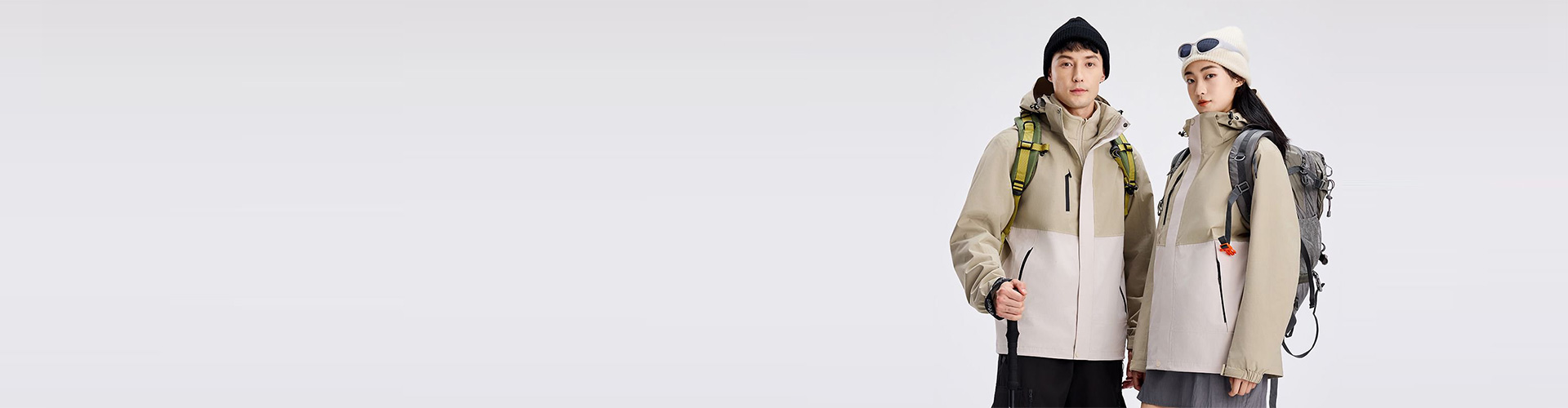
How to Choose Custom Waterproof Jackets for Bulk Orders
-
 저자
저자
- 17th 9월 2026
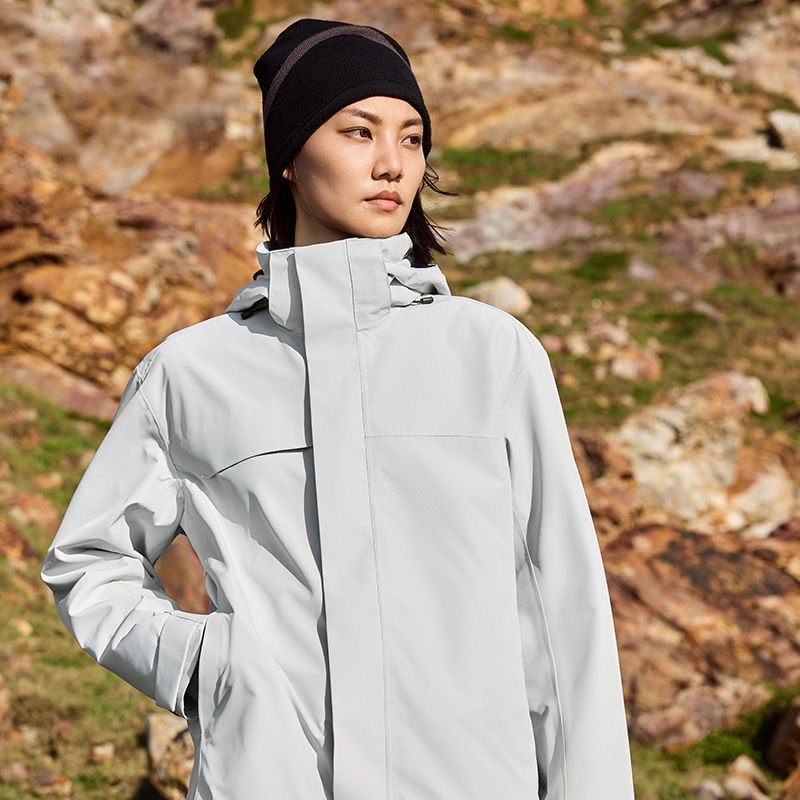
A waterproof jacket can look ready for production until the decorated sample is worn in real rain. Water enters through an exposed zipper, embroidery punctures a sealed panel, or the shell keeps rain out but becomes uncomfortable during active use. These problems usually begin before production, when the weather conditions, jacket construction, and branding method have not been defined clearly.
At CBYDO, we develop custom outerwear for brands, corporate teams, outdoor programs, and uniform projects. Choosing the right jacket starts with the wearer and the expected conditions—not simply with a fabric described as waterproof.
Start With the Jacket’s Actual Use
“Waterproof” does not describe one universal level of performance. A jacket for event staff working through a short shower has different requirements from one intended for field teams exposed to rain for several hours.
Before comparing fabrics, define where, when, and how the jacket will be worn:
*Will it be used for commuting, travel, outdoor work, or team events?
*Is the main concern rain, wind, warmth, or a combination of these?
*Will the wearer remain relatively still or move for long periods?
*Does the jacket need space for a uniform or warm layer underneath?
*Is the product intended for a promotional program or a retail collection?
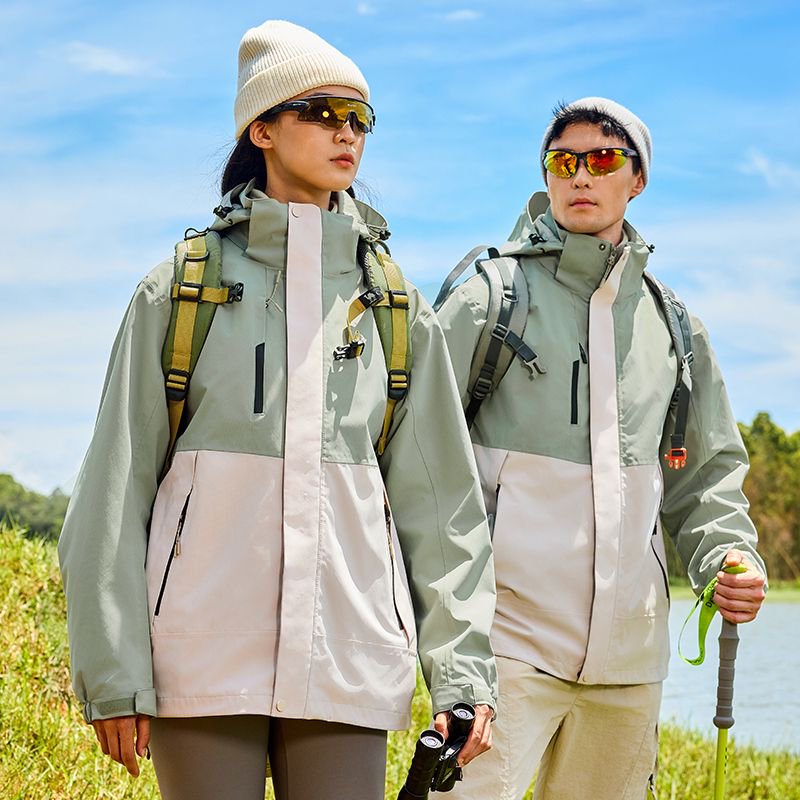
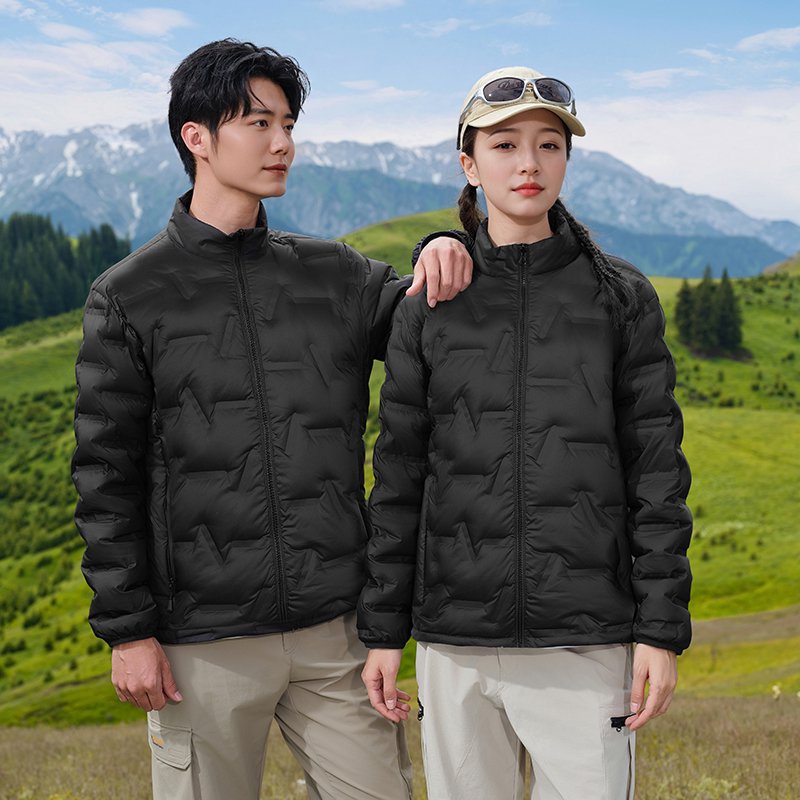
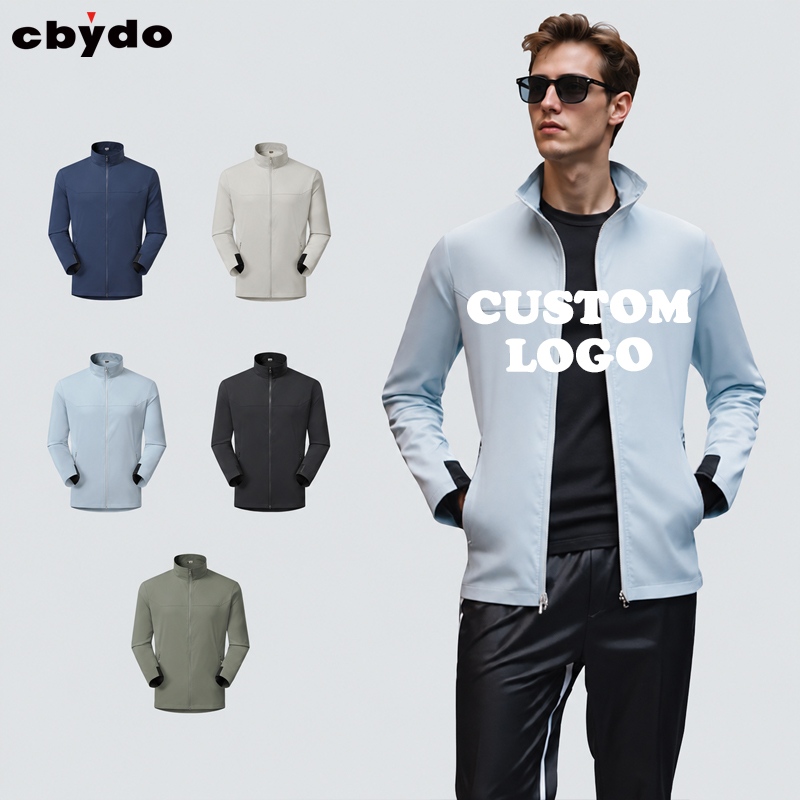
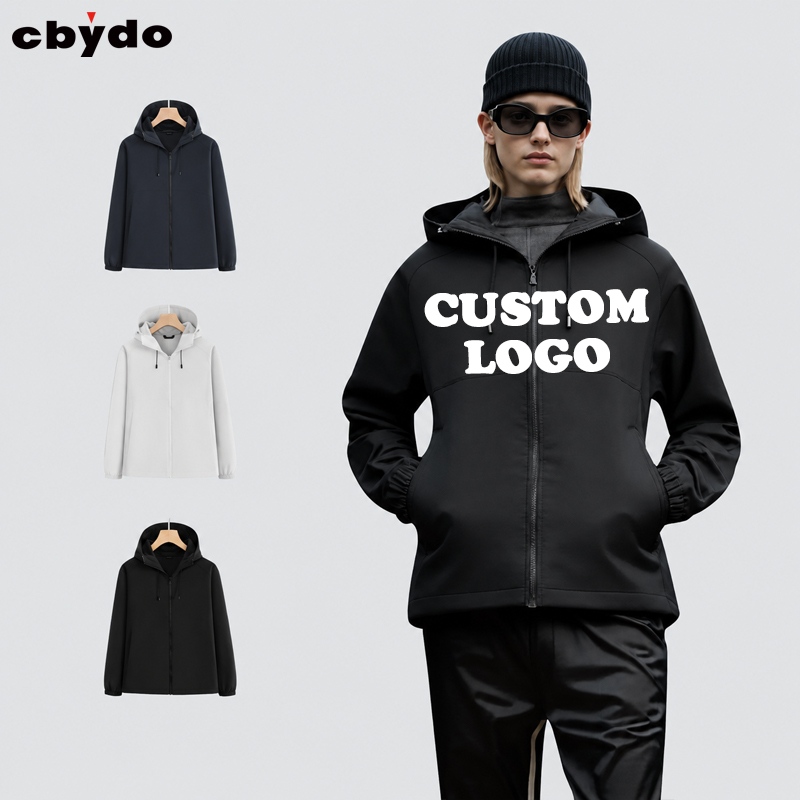
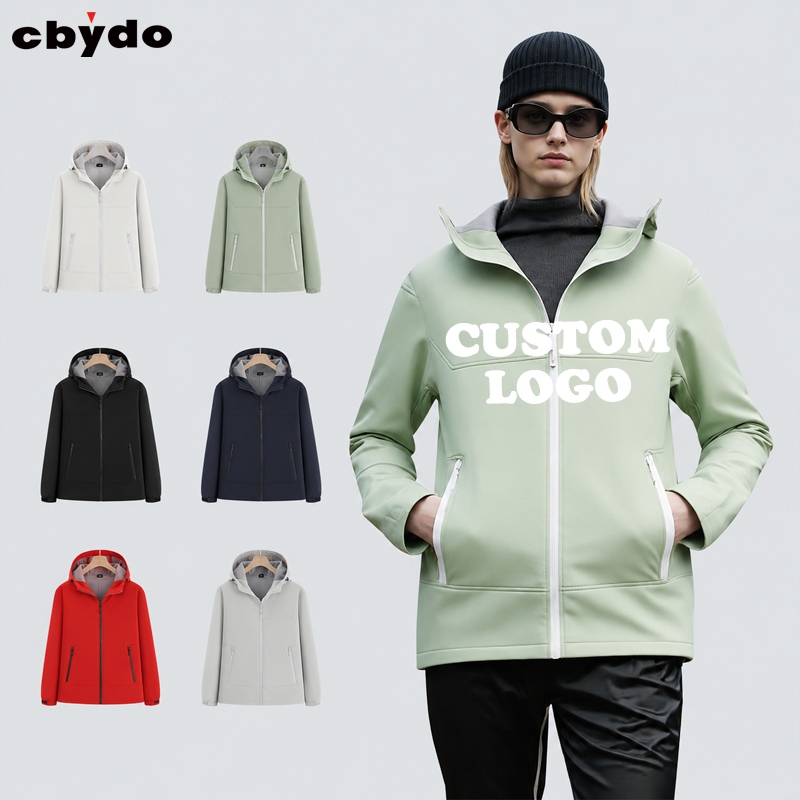
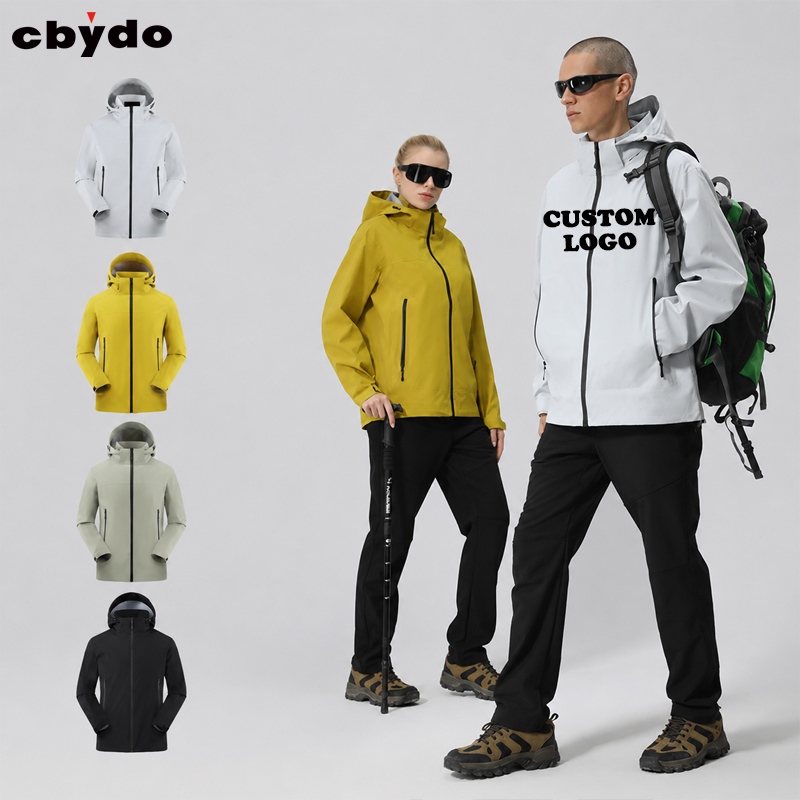
These answers help narrow the construction without adding unnecessary cost or weight. Our custom waterproof jacket collection includes lightweight shells, soft shell styles, 3-in-1 jackets, down jackets, and other outerwear options for different weather and brand positions.
Choose the Shell Construction Around the Weather
Waterproof performance depends on the complete jacket rather than one fabric specification. The face fabric, coating or membrane, seam tape, zipper protection, hood shape, pocket entry, cuffs, and hem must work as one system. When one area is overlooked, it often becomes the first place where water enters.
Hydrostatic head gives buyers a useful starting point for discussing water resistance because it indicates the water pressure a fabric can withstand before leakage begins. However, a fabric rating alone does not prove that the finished garment will perform at the same level. Seams, openings, decoration, and construction still need to be checked on the actual sample.
| Intended use | Suitable construction | Points to confirm on the sample |
| Commuting or event staff | Lightweight waterproof shell | Packability, zipper protection, cuffs, hem and logo position |
| Mixed-weather field work | Soft shell or hybrid jacket | Movement, comfort, shower resistance and clear use limits |
| Prolonged rain exposure | Seam-taped waterproof shell | Hood coverage, sealed seams, pocket entry and protected openings |
| Premium outdoor collection | Composite or multi-layer shell | Membrane behavior, abrasion areas, fit, panel layout and branding space |
Balance Water Resistance With Wearing Comfort
A jacket can block rain and still perform poorly if it becomes clammy after a few minutes of movement. The specification therefore needs to balance water resistance, breathability, weight, and hand feel.
For active teams, a lighter shell may be more practical than a heavy construction. For prolonged exposure, stronger rain protection may take priority. Buyers should ask for the stated waterproof rating, understand the basis of that rating, and confirm whether the seams are taped or only the fabric surface is coated.
에이 custom windbreaker jacket may be the more suitable direction when wind protection, low weight, and easy movement matter more than extended rain resistance. The product description should still communicate its actual weather limits clearly.
Inspect the Areas Where Water Usually Enters
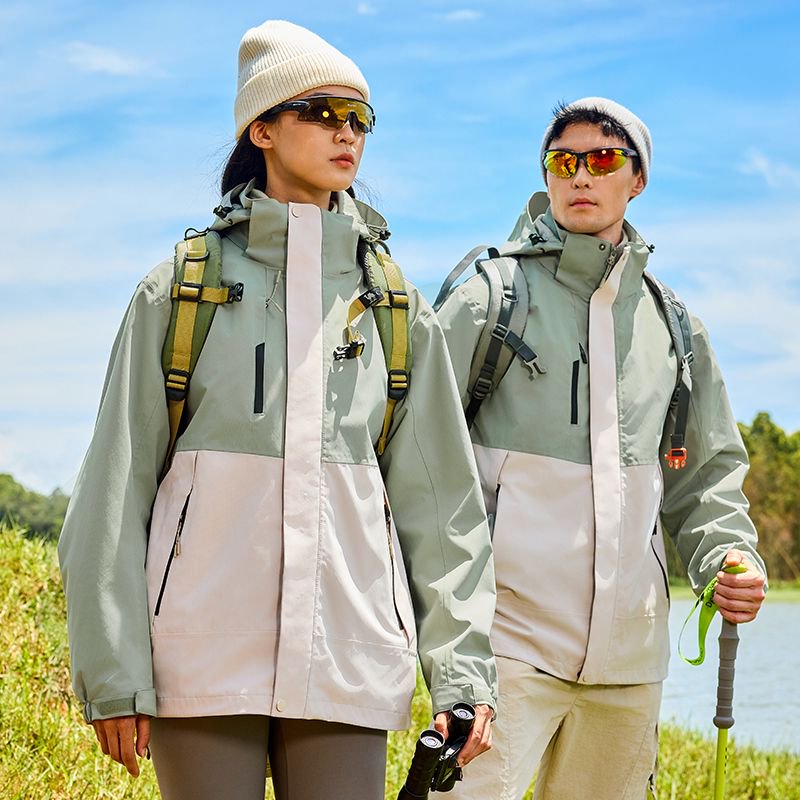
Small components often decide the real wearing result. A waterproof fabric cannot compensate for an unprotected zipper, exposed pocket opening, poorly shaped hood, or loose cuff.
During sample review, examine the jacket as a complete garment:
*Close the front zipper and inspect the zipper track and protective cover.
*Check where the hood meets the collar and whether the hood provides practical coverage.
*Review pocket openings and confirm that their position does not collect rain.
*Adjust the cuffs and hem to see whether they close securely.
*Inspect taped seam junctions, especially where several panels meet.
*Confirm that labels and decoration have not disturbed important sealed areas.
The jacket should also be worn during evaluation. Raising the arms, reaching forward, using the pockets, and wearing a layer underneath can reveal fit or coverage problems that are not visible when the sample is hanging flat.
When a Soft Shell Is Enough
Soft shell jackets are suitable when movement, comfort, and wind protection are central to the project. They can work well for short showers and mixed-weather use, but they should not be positioned as complete rain protection unless the exact fabric and seam construction support that claim.
When a Waterproof Shell Is the Safer Route
A waterproof shell is more appropriate for prolonged rain, exposed travel, or repeated field use. In this type of order, the hood, zipper, cuffs, pocket openings, hem, and sealed seams should all be reviewed before the sample is approved.
Plan the Branding Before Making the Sample
Branding cannot be treated as a final addition to a waterproof jacket. Logo position and application method may affect the shell, particularly when a needle passes through a protected area.
Embroidery can create a clean, durable appearance on a suitable panel, but it may introduce puncture points. Heat transfer or a patch may provide a better route for thin shells or jackets with extensive seam tape. The decision should depend on the fabric, panel layout, logo size, and required appearance.
Practical placement options include the chest, sleeve, upper back, or a dedicated panel that does not interfere with zipper tracks and major taped seams. Large graphics should be reviewed against the complete pattern before sampling.
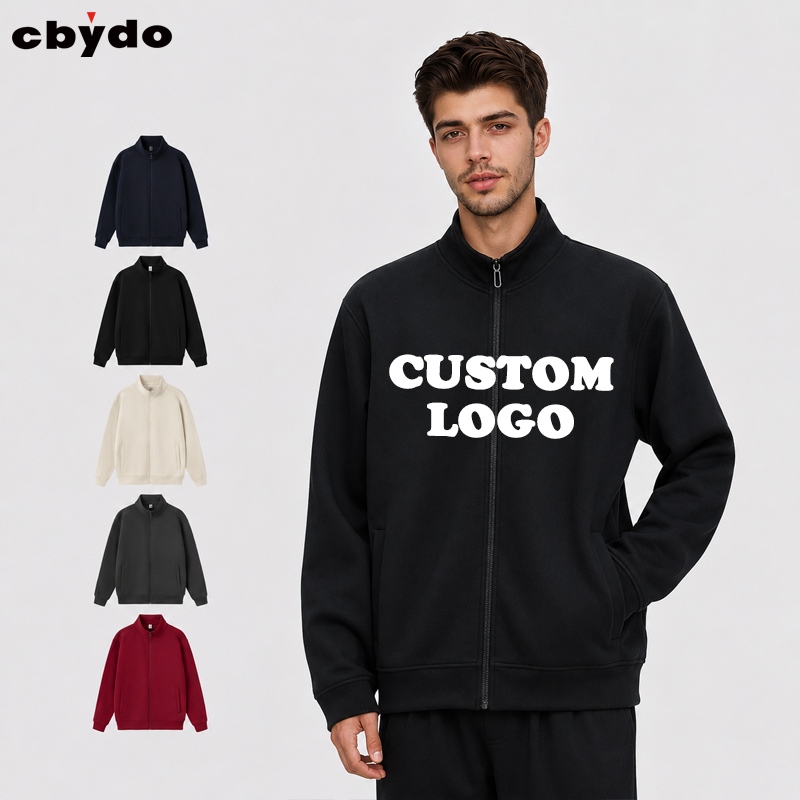
Brand identity also extends beyond the visible logo. Our custom soft shell jacket solutions can include woven labels, care labels, hang tags, and packaging bags. Planning these elements together produces a more consistent finished order without forcing all brand communication into one large decoration area.
Choose the Right Customization Route
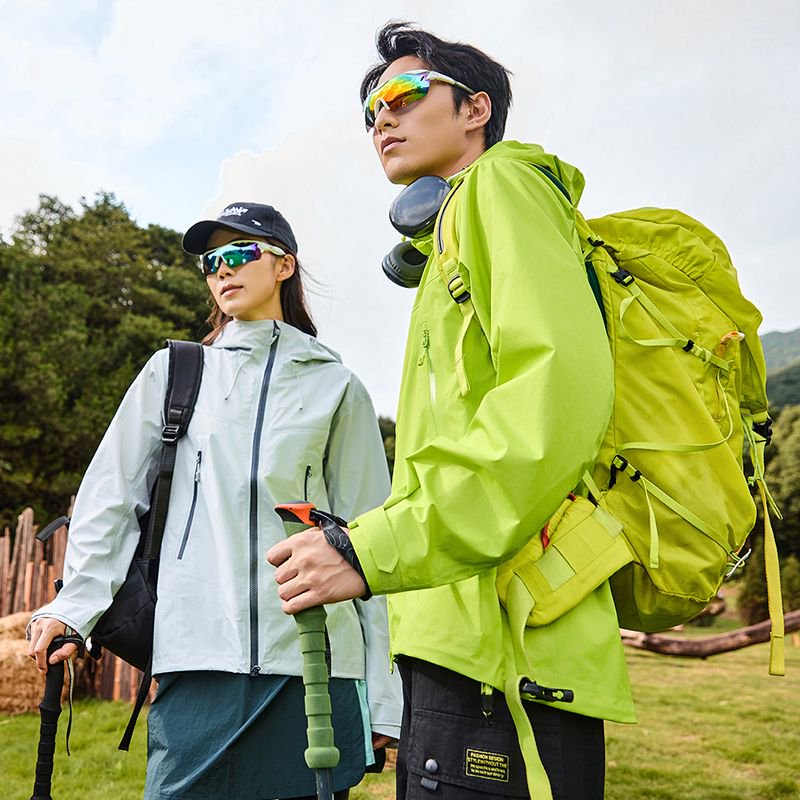
The required level of product development affects the sample process, order quantity, and number of details that need approval.
At CBYDO, light customization starts from 30 pieces per color per design. This route is suitable when a buyer wants to work from an available jacket style and add selected branding or related details.
Full customization starts from 100 pieces per color per design. It is intended for projects requiring deeper changes to the jacket design, construction, color arrangement, trims, labels, or packaging.
The route should be confirmed early. Otherwise, a buyer may spend time developing details that do not suit the intended quantity, schedule, or product position.
Turn the Sample Into a Production Reference
A useful sample is not only a visual presentation. It should confirm the points that will control the bulk order, including:
*Intended weather and wearing conditions
*Shell type and expected water resistance
*Fabric color and hand feel
*Hood, collar, cuff and hem construction
*Pocket position and zipper protection
*Size range and space for layering
*Logo method, size and placement
*Woven labels, care labels and hang tags
*Packaging requirements
*Final quantity by color and design
Decoration should be included in the approval sample whenever possible. A blank jacket may perform correctly while the finished branded version introduces changes around the logo, labels, or seams. Reviewing the complete sample gives both the buyer and our production team a clearer reference for bulk manufacturing.
Summary
Choosing a custom waterproof jacket begins with the intended weather, activity level, and wearer—not with appearance alone. Light rain and active use may point toward a windbreaker or soft shell, while prolonged exposure requires closer attention to waterproof construction, seam tape, protected openings, and hood coverage.
Branding, labels, and packaging should be considered before sampling because they influence both appearance and shell construction. Once the customization route is confirmed, the completed sample can serve as a practical reference for fit, weather protection, decoration, and bulk production.
FAQ는
What is the MOQ for custom waterproof jackets?
At CBYDO, light customization starts from 30 pieces per color per design. Full customization starts from 100 pieces per color per design.
Can a logo affect waterproof performance?
It can. Embroidery and other stitched applications may puncture the shell, particularly when placed across a sealed or exposed area. The logo method and position should be confirmed before sampling.
Is a soft shell jacket suitable for rain?
A soft shell can suit short showers and mixed-weather use. For prolonged or repeated rain exposure, a waterproof shell with properly protected seams and openings is more appropriate.
What should be included in a quotation request?
Provide the intended use, expected weather, jacket style, quantity by color, size range, logo artwork, decoration method, label requirements, packaging needs, and target customization route.
What should be approved before bulk production?
Approve the complete decorated sample, including its fabric, fit, hood, cuffs, hem, pockets, zippers, seam treatment, logo position, labels, colors, and packaging details.